Veneer Falling Off or Breaking: Causes, What to Do & When to Replace
A veneer falling off and breaking is more common than most patients expect — and in most cases manageable. Understanding the cause is the first step toward a lasting solution.
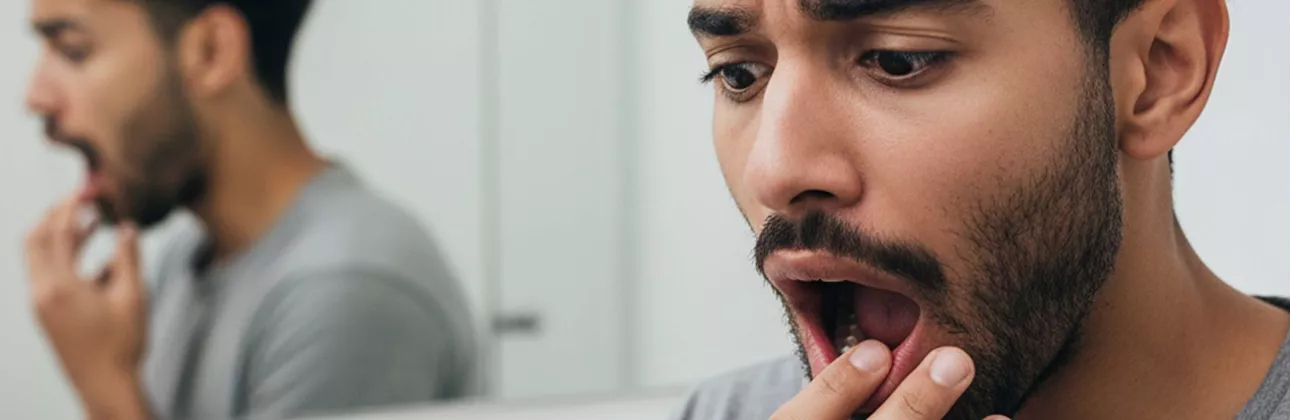
Why Do Veneers Fall Off?
Veneers are thin ceramic or composite shells bonded to the front surface of teeth. While they are designed to remain in place for many years, a veneer falling off is not unheard of. The most common causes involve bite forces, gum health, bonding quality, and natural adhesive aging.
- Teeth grinding (bruxism)Continuous grinding or clenching — particularly at night — places sustained pressure on the bonding interface. Patients with untreated bruxism face a significantly higher likelihood of veneer detachment.
- Trauma or impactA sports injury, a fall, or biting into unexpectedly hard food such as a hard crust or an ice cube can physically dislodge a veneer.
- Gum recession or inflammationGum disease causes changes at the veneer margin, reducing the sealed edge and allowing the bond to weaken over time.
- Bonding techniqueProper etching, priming, and cementation are critical. Any deviation in protocol can shorten the bond's lifespan considerably.
- Natural adhesive agingEven under ideal conditions, bonding materials typically begin to weaken after ten to fifteen years, eventually requiring re-bonding or full replacement.
If the veneer itself is undamaged, a dentist can often re-bond it in a single visit — provided the root cause is corrected at the same time. Repeating the bonding procedure without addressing the underlying issue will usually lead to the same outcome.
What to Do Immediately When a Veneer Falls Off
Knowing what to do if a veneer falls off avoids unnecessary damage to the tooth and improves the chance of re-bonding the original piece. A veneer fell off does not necessarily mean it is permanently lost.
- Keep the veneerRinse it gently under cool water and store it in a small sealed container or a moist tissue. Do not discard it — a dentist can assess whether it is suitable for re-bonding.
- Protect the exposed toothThe prepared surface underneath is thinner than natural enamel and more sensitive to temperature and acidity. Avoid very hot, cold, or acidic food and drinks until the veneer is replaced.
- Book an appointment promptlyThe longer the underlying tooth is left unprotected, the greater the risk of sensitivity or further damage.
- Do not use household adhesivesSuperglue and similar products are not biocompatible, may cause chemical burns, and make professional re-bonding considerably more difficult.
Why Does My Veneer Keep Falling Off?
Repeated veneer falling off and breaking events signal that something beyond ordinary wear is involved. Possible contributing factors include:
- Undiagnosed or unmanaged bruxism — grinding forces can exceed what the bonding interface is designed to withstand.
- Bite imbalance — even minor discrepancies in how the upper and lower teeth meet can concentrate pressure on individual veneers.
- Enamel quality — if the remaining enamel layer is thin due to prior wear or decay, adhesion is inherently more challenging.
- Original bonding deficiencies — outdated adhesive systems or inadequate surface preparation at the time of placement can produce weaker bonds from the outset.
When veneers keep failing, a dentist will typically discuss whether a stronger restoration — such as a zirconium or full ceramic crown — would serve the patient better in the long term.
Veneer Broke — Can It Be Repaired?
Whether broken veneer repair is possible depends on the extent of the fracture. A veneer broke off in one clean piece can sometimes be re-bonded; a veneer that broke into multiple fragments usually requires replacement. Keep all broken fragments in a small container and bring them to the appointment.
| Break type | Typical approach |
|---|---|
| Minor chip at the edge | Polish or composite resin repair — usually straightforward |
| Moderate crack with piece intact | Re-bonding may be possible; outcome varies by size and location |
| Severe fracture or multiple pieces | Replacement with a new veneer or alternative restoration required |
| Fracture at the gum margin | Replacement typically necessary; a provisional may protect the tooth meanwhile |
How to Prevent Veneer Breakage
Most veneer falling off and breaking episodes are preventable with consistent habits:
- Avoid biting directly into hard foods — crusty bread, bones, whole nuts, hard sweets, and ice are common culprits.
- Use a night guard if you grind. A custom-fitted guard is one of the most effective interventions for patients with bruxism.
- Maintain good periodontal health. Healthy gums and stable supporting bone provide the stable foundation veneers depend on.
- Attend regular check-ups so a dentist can identify early signs of bond weakening or bite imbalance before a failure occurs.
- Avoid using teeth as tools — opening packaging, cracking nuts, or biting nails all place stress on ceramic restorations that they are not designed to bear.
When to Consider Alternatives to Veneers
If a veneer fails repeatedly or the underlying tooth has been compromised, a dentist may recommend a different type of restoration altogether. The options most commonly discussed include:
- Zirconium crownsCover the entire tooth surface, distributing bite forces more evenly — particularly suitable for patients with heavy occlusal load or a history of bruxism. Monolithic zirconium crowns offer high strength with good aesthetics.
- Full ceramic crownsAn option when the underlying tooth structure is weakened by decay or previous restorations. All-ceramic (E.max) crowns provide exceptional translucency for anterior teeth.
- Orthodontic correctionAddresses the bite imbalance that may be causing repeated veneer stress. Orthodontic treatment can be a prerequisite for long-lasting cosmetic restorations.
The right choice depends on the individual tooth's condition, the patient's bite pattern, and aesthetic goals. If you are experiencing recurring veneer failures, a consultation at CityDent Istanbul allows for a clinical assessment of the options available. For veneer replacement in Istanbul, the clinical pathway for patients travelling from abroad can often be coordinated efficiently within a planned visit.
Frequently Asked Questions
-
Can I reattach a veneer at home?
No adhesive product suitable for this purpose is available over the counter. Household glues are not biocompatible, may harm gum tissue, and typically make professional re-bonding more complicated. Keep the veneer safe and contact your dentist. -
What to do if a veneer falls off?
Keep it in a moist sealed container, protect the exposed tooth from temperature extremes, avoid household glues, and book a dental appointment as soon as possible. In many cases the original piece can be re-bonded at the same visit. -
Does a veneer falling off cause pain?
Some patients notice increased sensitivity on the exposed tooth, particularly to temperature changes. The sensitivity relates to the thinned enamel surface being temporarily unprotected — the tooth itself is rarely damaged by the detachment. -
How long should veneers last?
Under normal conditions and with appropriate oral hygiene, porcelain veneers typically last ten to fifteen years or more. Protective habits — particularly night guard use in grinders — extend longevity significantly. -
Is a cracked veneer a dental emergency?
A cracked veneer is not generally an emergency unless there is pain, a sharp edge causing soft tissue injury, or significant tooth exposure. Early assessment is worthwhile — small cracks can extend further if left untreated. -
Can veneer replacement be done in Istanbul?
Yes. Veneer replacement Istanbul — both re-bonding and new fabrication — is routine at CityDent Istanbul. The approach is determined after examining the original veneer, the underlying tooth, and the patient's bite. You can learn more about laminate veneers Istanbul treatment options available at the clinic.