Teeth Whitening in Istanbul — Professional Bleaching at Citydent
Citydent Istanbul, located in Taksim, offers professional teeth whitening to local and international patients looking for safe, clinically supervised bleaching. Whether you are considering an in-clinic session or a personalised at-home kit, treatment is planned around your enamel condition and shade expectations — not a fixed protocol.
Both options use clinically tested materials, and your dentist will assess your current shade, existing restorations, and gum health before recommending an approach.
Is Teeth Whitening Right for You?
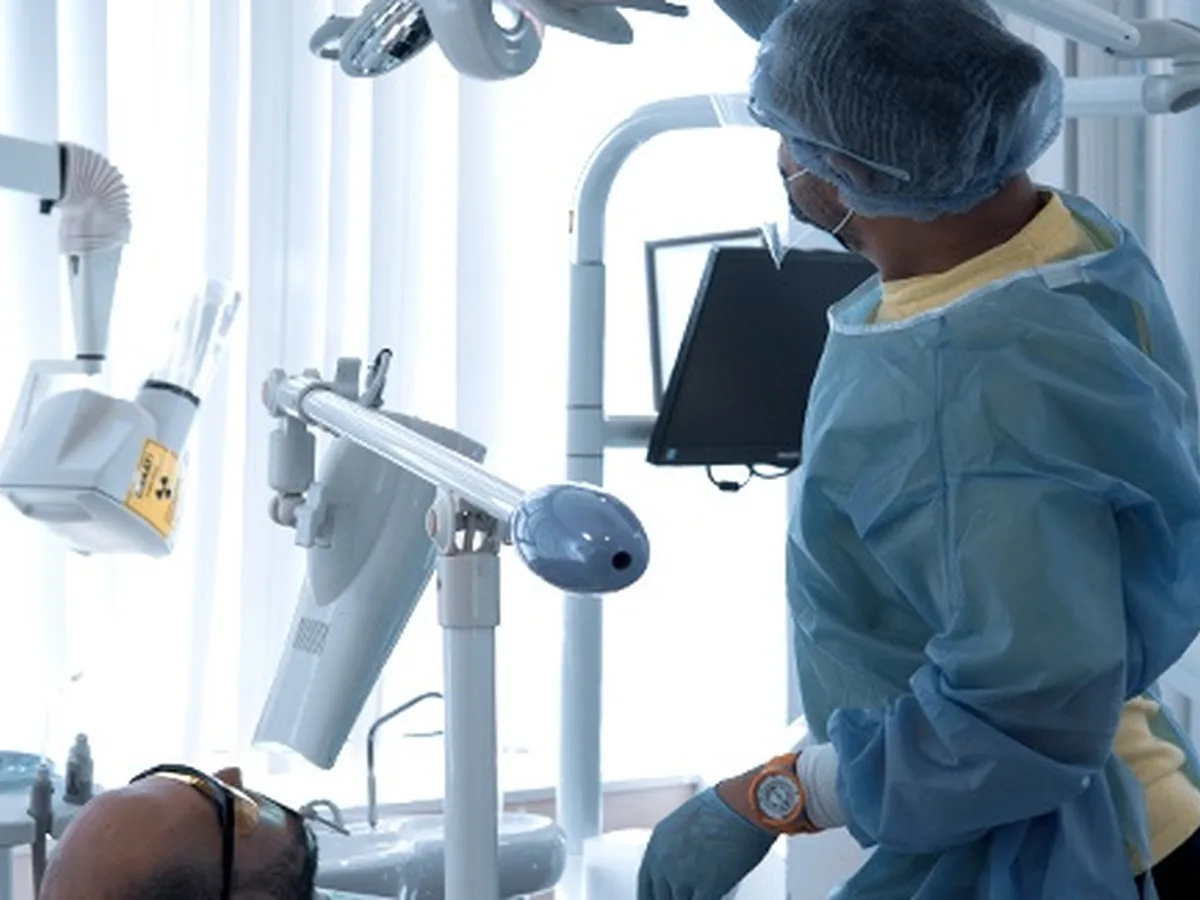
Teeth whitening in Istanbul is suitable for most adults with healthy teeth and gums. Certain conditions affect whether whitening is appropriate or needs to be deferred.
- Healthy enamel with no active decay
- Surface stains from tea, coffee, tobacco, or food
- Natural teeth in good periodontal condition
- Patients who have completed any necessary restorative treatment
- Active gum disease or untreated decay — whitening is deferred until resolved
- Extensive crowns, veneers, or composite fillings in the visible zone — restorations do not lighten; results may be uneven
- Patients with known sensitivity — a desensitising protocol is usually available
- Pregnant or breastfeeding patients — whitening is typically postponed
At Citydent, suitability is assessed at consultation. If whitening is not appropriate at that stage, the clinical reason is explained and alternatives are discussed.
Professional Teeth Whitening in Istanbul — In-Clinic and At-Home Options
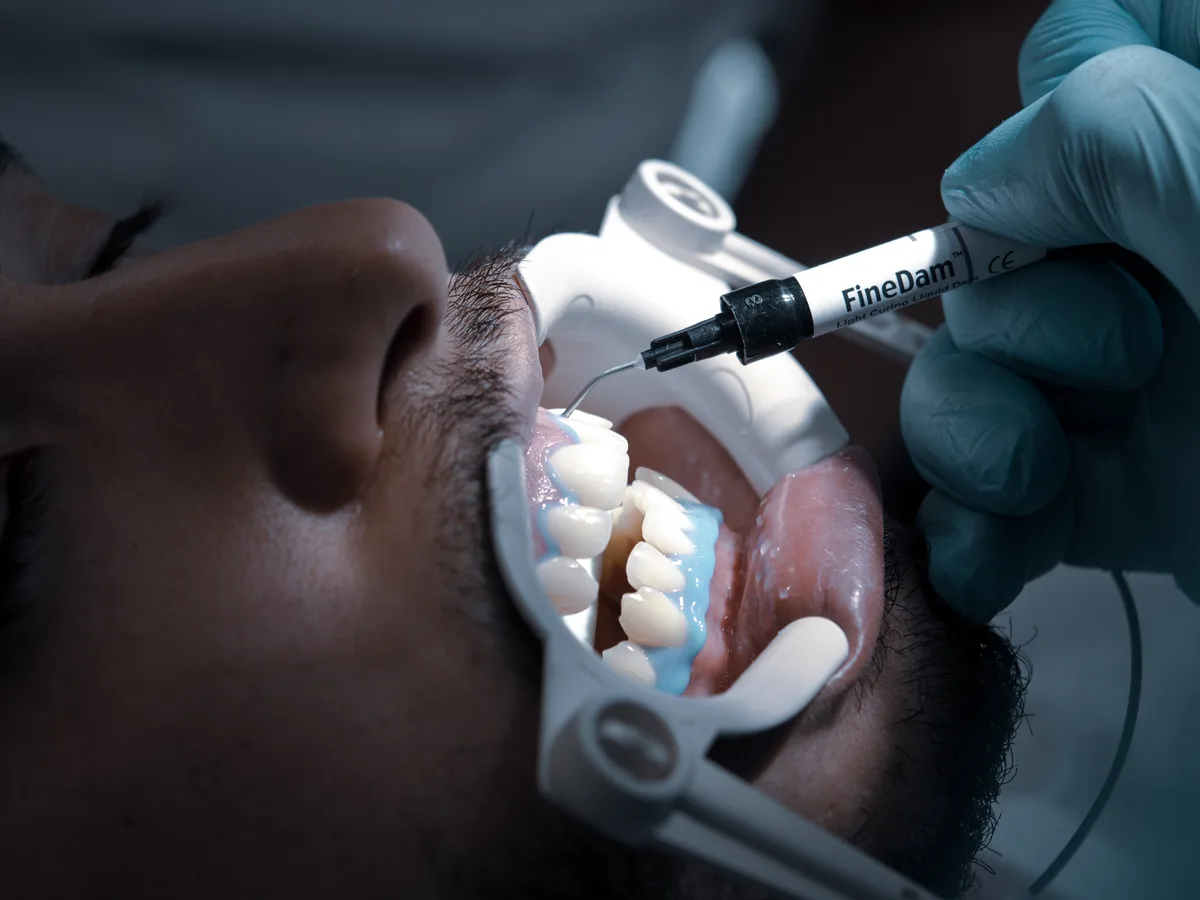
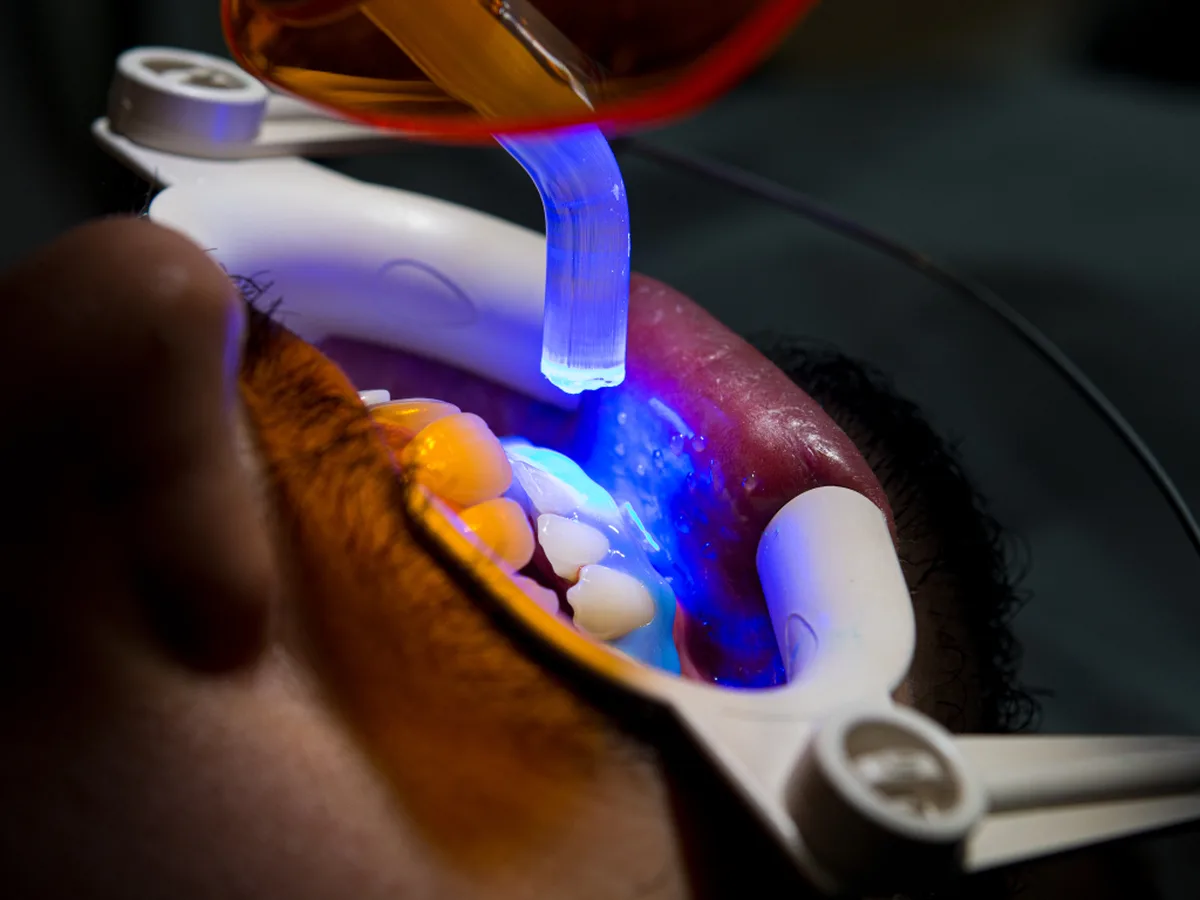
In-clinic whitening is carried out in a single appointment. A professional-grade bleaching agent is applied directly to the teeth under controlled conditions. The procedure typically takes around 60–90 minutes. Most patients notice a visible difference within the same session.
This approach is recommended when a faster result is preferred, or when the case requires closer clinical supervision — for example, patients with mild sensitivity or uneven existing shades. Istanbul teeth whitening options range from single-session in-clinic procedures to multi-week at-home programmes, and the right choice depends on your clinical profile.
At-home kits provided by the clinic use custom-fitted trays made from an impression of your teeth. The trays ensure the bleaching gel contacts the enamel evenly. Treatment usually runs over one to two weeks, depending on the target shade and sensitivity tolerance.
At-home kits are suitable for patients who prefer a gradual approach, or as a maintenance option following an in-clinic session.
A combined approach — in-clinic session followed by at-home maintenance — is sometimes recommended for patients targeting a lighter bleaching shade such as BL1 or BL2.
How White Can Your Teeth Get?
If you are researching how to whiten teeth professionally, the shade guide below explains the clinical options available in Istanbul.
Bleaching Shades: BL1, BL2, BL3, BL4
Bleaching shades extend beyond the standard shade range (A1–D4) and are used when patients aim for a noticeably whiter result.
- BL4The softest bleaching shade. Gives a clean, healthy appearance while remaining close to the natural tooth spectrum. Often chosen by patients who want a subtle improvement.
- BL3Visibly whiter but still natural-looking. Suits patients who want enhancement without a dramatic contrast.
- BL2A clearly bright, aesthetic white. More noticeable than the natural range, without appearing artificial for most skin tones.
- BL1The highest bleaching shade. Delivers the most intense whiteness, often associated with a Hollywood-style smile. Appropriate for some cosmetic makeover cases; best assessed against individual skin tone and facial features.
The right shade depends on your starting shade, enamel condition, and personal preference. Your dentist will use a clinical shade guide at consultation. To understand the shade selection process in more detail, visit the tooth shade selection guide.
What Affects Your Whitening Result?
- Starting shade — naturally yellower enamel typically responds well; greyer internal discolouration is more resistant
- Stain type — surface stains from dietary sources respond more readily than deep intrinsic discolouration caused by medication or trauma
- Whitening method — in-clinic treatment produces more immediate results than at-home kits, due to concentration and application conditions
- Number of sessions — some patients need more than one appointment to reach their target shade
- Existing restorations — crowns, veneers, and fillings do not respond to bleaching agents; shading must be planned accordingly
Most patients achieve a visible improvement in shade. Individual outcomes vary, and no specific shade target can be guaranteed before assessment.
Do You Need Teeth Cleaning Before Whitening?
Professional teeth cleaning in Istanbul is recommended before whitening in most cases. Plaque and surface deposits on the enamel reduce contact between the bleaching agent and the tooth surface, which can make results uneven.
Cleaning also allows your dentist to identify any areas of concern — early decay, gum inflammation, or enamel irregularities — before the whitening process begins. If your last professional clean was more than six months ago, scheduling one before whitening is advisable.
For full details on the cleaning process, visit the professional teeth cleaning Istanbul page.
Possible Side Effects and Sensitivity
Teeth whitening is one of the most commonly performed cosmetic dental procedures. When carried out under clinical supervision, serious complications are uncommon. However, some patients experience temporary effects:
Teeth whitening side effects are generally temporary when treatment is supervised by a qualified dentist. For a detailed overview of long-term sensitivity and bleaching Istanbul side effect management, see the guide to teeth whitening side effects and sensitivity.
How Long Do Whitening Results Last?
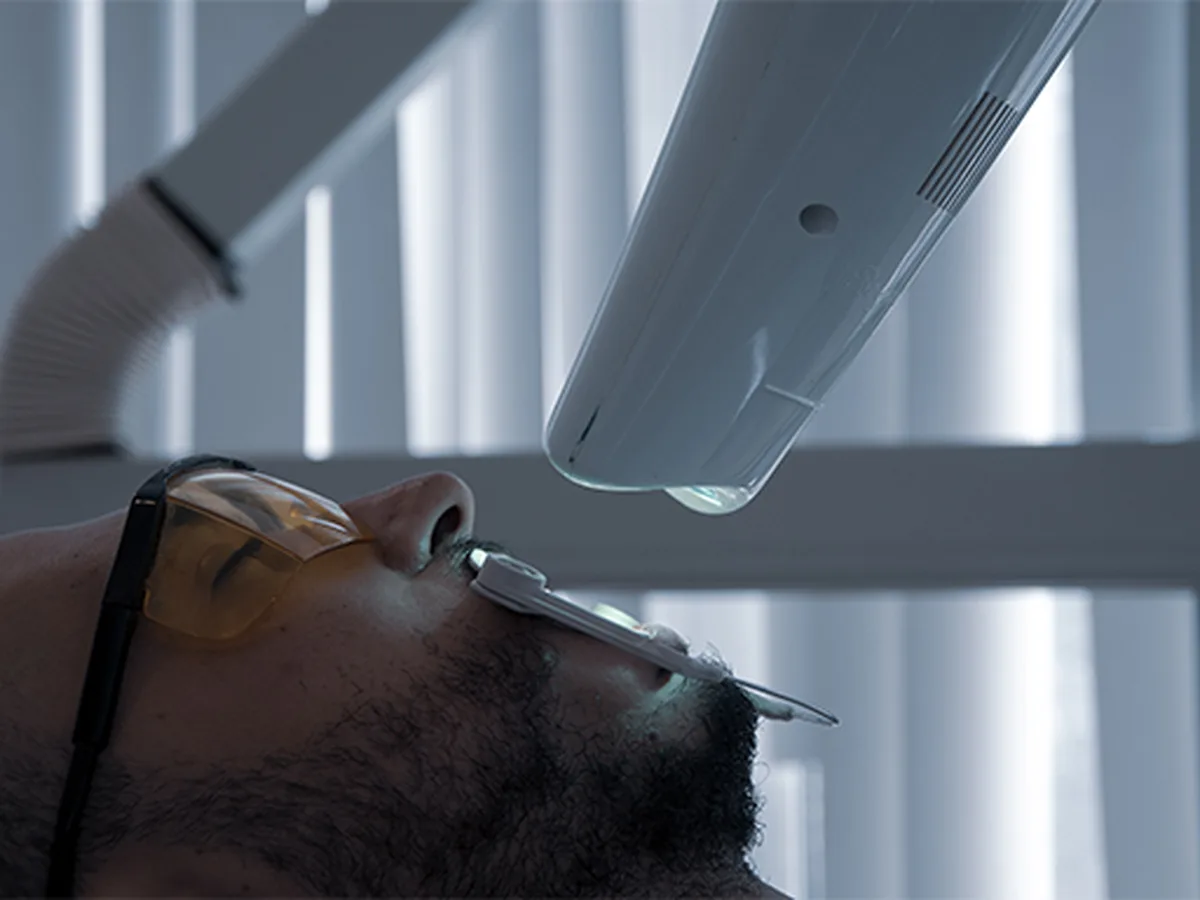
Teeth whitening results are not permanent. Patients who choose teeth whitening Istanbul treatment frequently ask how long the improvement lasts — the answer depends on individual lifestyle and oral hygiene habits.
- In-ClinicResults typically last between six months and two years
- At-Home KitsResults usually last between one and six months
Diet and lifestyle have a significant impact. Regular consumption of coffee, tea, red wine, or tobacco accelerates re-staining. Good oral hygiene and periodic touch-up treatments help maintain the result for longer.
Touch-up sessions — whether in-clinic or at-home — are commonly recommended every 6–12 months for patients who consume staining substances regularly.
For detailed aftercare advice, follow the post-whitening care guide.
To view documented patient results, see whitening before and after cases at Citydent.
Frequently Asked Questions
-
What is the difference between in-clinic and at-home teeth whitening?
In-clinic whitening uses a professional-grade bleaching agent applied in a single appointment under clinical supervision, typically delivering faster and more immediate results. At-home kits use custom trays with a lower-concentration gel worn over one to two weeks. The right approach depends on your target shade, sensitivity level, and timeline. Both options are available at Citydent Istanbul.
-
How white will my teeth get?
The result depends on your starting shade, enamel condition, and the type of staining. Most patients see a noticeable improvement. In-office treatments typically produce more dramatic results than at-home kits. Individual outcomes vary, and your dentist will set realistic expectations at the consultation stage before any treatment is agreed.
-
What are bleaching shades like BL1 and BL2?
Bleaching shades BL1 through BL4 go beyond the standard tooth colour range. BL1 is the whitest achievable shade, often associated with cosmetic or Hollywood smile makeovers. BL2 and BL3 offer bright but more natural-looking results. BL4 is the softest of the bleaching shades. Which shade is achievable and appropriate depends on your enamel and existing restorations.
-
Do I need teeth cleaning before whitening?
In most cases, yes. Plaque and tartar on the enamel surface reduce the effectiveness of bleaching agents and can cause uneven results. A professional clean also allows your dentist to check for any conditions — such as early decay or gum inflammation — that should be addressed before whitening begins.
-
Will all my teeth whiten evenly?
Natural teeth generally respond uniformly to bleaching. However, crowns, veneers, fillings, and other restorations do not change colour. If you have restorations in the visible zone, your dentist will discuss this before treatment and may recommend replacing older restorations after whitening to match the new shade.
-
How long does teeth whitening last?
In-clinic whitening results typically last between six months and two years. At-home kit results usually last between one and six months. Longevity depends on diet, lifestyle, and oral hygiene. Regular touch-up treatments — every 6–12 months for most patients — help maintain the result.
-
What side effects are possible with teeth whitening?
The most common side effect is temporary sensitivity to cold or heat, which usually resolves within a few days. Mild gum irritation from gel contact can also occur but is typically brief. More significant complications from professionally supervised whitening are uncommon. Pre-existing sensitivity is assessed before treatment and a desensitising protocol is applied where appropriate.
-
What should I avoid after teeth whitening?
For the first 48 hours after whitening, it is advisable to avoid staining substances such as coffee, tea, red wine, and tobacco, as the enamel surface is temporarily more porous. Cold or very hot food and drink may also increase sensitivity during this period. Full aftercare guidance is provided at the time of treatment. For a complete overview, see the post-whitening care guide.