Post-Treatment Aftercare
Temporary Dental Prosthesis Problems
A temporary prosthesis is an essential part of implant and cosmetic treatment — but it can bring unexpected challenges. This guide covers the most common temporary dental prosthesis problems, what causes them, and what your next step should be.
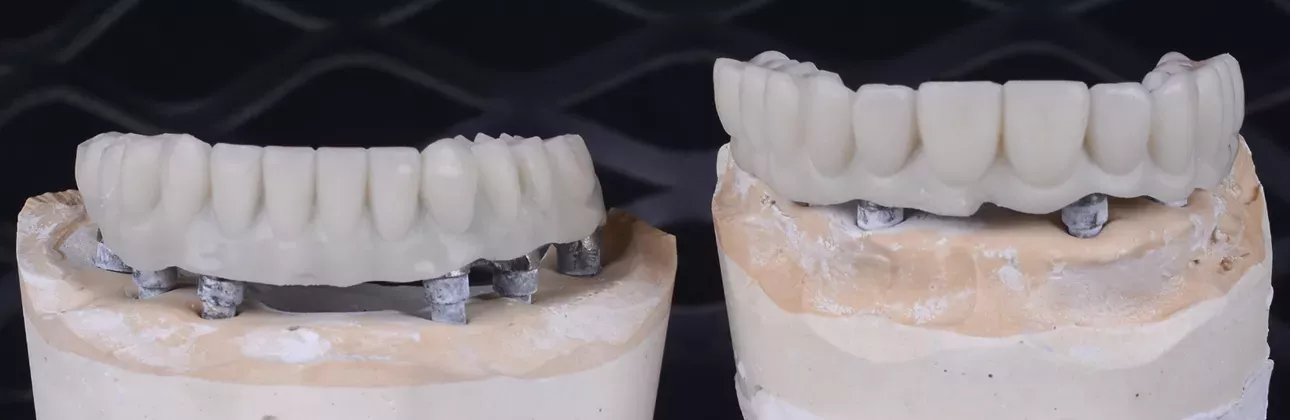
Understanding Your Temporary Tooth
What Is a Temporary Dental Prosthesis?
Temporary dental prostheses — also known as provisional crowns, temporary veneers or temporary implant teeth — are placed to protect your prepared teeth and maintain your smile's appearance while permanent restorations are being fabricated. They are designed to be functional but are made from lighter materials that prioritise ease of placement and adjustment over long-term durability.
At Citydent dental Istanbul, provisional restorations are part of a structured treatment sequence. Understanding their purpose helps you manage your expectations and recognise when something may need attention from your dental team.
Temporary dental prostheses serve several roles: they seal exposed tooth structure, preserve gum contour, allow you to evaluate aesthetics before the final restoration, and in the case of implant patients, protect the healing site during osseointegration. Understanding which temporary dental prosthesis problems are normal — and which require prompt action — is an important part of a smooth treatment journey.
Common Issues During Treatment
Temporary Dental Prosthesis Problems: What to Expect
Experiencing a problem with your temporary tooth does not mean your treatment has gone wrong. Most temporary dental prosthesis problems are predictable, manageable and easily resolved at a follow-up appointment. The key is recognising which problems are minor and which require prompt contact with your dentist.
The most commonly reported temporary dental prosthesis problems fall into six categories:
- Pain or sensitivity in the area of the temporary tooth — often related to bite adjustment or healing
- Dislodgement — the temporary crown or veneer coming away from its support
- Fracture — the prosthesis breaking under excessive force
- High bite — the provisional feeling too tall or uneven when you close your mouth
- Difficulty chewing — temporary prostheses are not designed for heavy chewing loads
- Tongue or soft tissue irritation — caused by margin fit or edge sharpness
Patients who have received dental care Istanbul often ask whether these problems are avoidable. In most cases they are minimised through careful placement, but the materials used for temporaries are inherently less durable than those used for permanent restorations. Temporary dental prosthesis problems are most commonly reported in the first few days after placement — knowing what to watch for helps you seek timely help.
Protecting Your Treatment
When Should You Contact Your Dentist?
Not every temporary dental prosthesis problem requires an emergency visit, but some signs should prompt you to contact our team as soon as possible. Delay in addressing certain problems can place unnecessary strain on your implant or prepared tooth structure.
Contact your dentist promptly if you notice any of the following:
- Your temporary tooth has completely come off — store it safely; do not attempt to reattach it with household adhesives
- You experience persistent pain that does not ease within 48 hours
- The temporary feels significantly higher than the surrounding teeth and does not settle with normal use
- There are visible signs of swelling, redness or discharge around the prosthesis
- The screw securing an implant-supported temporary feels or sounds loose
For most fit and sensitivity adjustments, a short appointment is all that is needed. Patients who contact our Istanbul implant team early avoid complications that might otherwise affect treatment timelines.
Day-to-Day Care
Protecting Your Implant During the Temporary Phase
The period between placement of a temporary prosthesis and delivery of the final restoration is a critical time for implant integration. How you care for your temporary tooth has a direct bearing on the health of the underlying implant and the tissues around it.
Research published in Frontiers in Oral Health (Eagle et al., 2025) confirms that consistent oral self-care during the peri-implant healing period significantly reduces the risk of complications around the implant site.
Temporary dental prosthesis problems related to inflammation or infection are closely linked to hygiene habits during this phase. Practical guidance includes:
- Avoid very hard or sticky foods — temporary prostheses are not designed to withstand the same forces as permanent restorations
- Clean around the margins carefully using a soft-bristled brush; do not scrub aggressively at the gum line
- Use interdental cleaning aids as recommended by your dentist — flossing technique around provisionals differs from natural teeth
- Do not use toothpicks or sharp instruments near the margins of a temporary crown
- Follow your dentist's guidance on any oral rinses or pain relief prescribed for your specific situation
- Attend all scheduled check-up appointments — early detection of any temporary dental prosthesis problems prevents escalation
If you are experiencing difficulties with your provisional prosthesis Istanbul, contact our team to arrange a review.
Frequently Asked Questions
Common Questions About Temporary Dental Prosthesis Problems
Why does my temporary tooth hurt?
Mild discomfort in the first few days after placement is normal as the tissues adjust. Pain that intensifies or persists beyond 48–72 hours may indicate a bite issue, an exposed margin or, in implant cases, pressure on the healing site. Contact your dentist for an assessment — your dentist can advise on appropriate pain relief for your situation.
My temporary tooth fell off — what should I do?
Stay calm. Remove the prosthesis from your mouth if it is still loose and store it in a clean cloth or small container. Do not attempt to reattach it with household glue or dental adhesive purchased without professional guidance. Contact your dentist to arrange reattachment or replacement. The temporary fixed prosthesis Istanbul can usually be re-cemented at a short appointment.
My temporary tooth broke — is this serious?
A fracture in a provisional restoration is more common than most patients expect, particularly after impact or biting on hard food. Save any fragments and contact your dental team. Depending on the extent of the fracture, the temporary can either be repaired or remade. It is important to address this promptly to avoid exposing the prepared tooth or implant site.
My bite feels too high — what happens if I ignore it?
An over-contoured temporary that is not adjusted can place excessive load on the implant during the critical osseointegration period. In natural-tooth cases, a persistently high temporary can cause muscle fatigue and discomfort. This is one of the temporary dental prosthesis problems that should be resolved quickly — typically a brief adjustment appointment is all that is needed.
I am having difficulty chewing — is this normal?
Some adaptation is expected, particularly in the first week after placement. Temporary prostheses are not designed for heavy masticatory forces. If chewing difficulties persist or worsen, the fit or shape of the provisional may need adjusting. Always follow your dentist's dietary guidance during the temporary phase.
My temporary tooth keeps catching on my tongue — what causes this?
This is usually related to a margin that is slightly prominent or an edge that has not been fully smoothed. It is a common and easily corrected temporary dental prosthesis problem. A brief appointment for recontouring resolves it in most cases.
Is there a risk of infection around my temporary prosthesis?
Yes — poor margin fit or inadequate oral hygiene around a temporary can allow bacteria to accumulate, increasing the risk of gum irritation or peri-implant inflammation. Symptoms to watch for include persistent soreness, swelling or an unusual taste. Contact your dentist promptly if you notice these signs. The EFP S3 clinical guideline (Herrera et al., 2023) highlights early-stage peri-implant management as a key factor in long-term implant success.
Can my implant be damaged while I am wearing a temporary prosthesis?
Implant damage during the provisional phase is uncommon when placement guidelines are followed. However, excessive bite force, repeated dislodgement events or prolonged inflammation can each affect osseointegration. Attending check-up appointments and following dietary restrictions during this phase is the most effective protective measure.
Why might my implant screw loosen during the temporary phase?
Implant-supported temporary restorations use a screw that requires proper torque at placement. Loosening can result from high occlusal forces, micromovement before full osseointegration, or an incompatible temporary design. If you sense any movement or hear a clicking sound, contact your dental team promptly. Do not attempt to tighten the screw yourself.
Why is my temporary crown sensitive to hot and cold?
Implants do not perceive temperature, so sensitivity in a fully implant-supported temporary is usually related to an adjacent natural tooth or a gap at the prosthesis margin. Natural teeth prepared for crowns may experience temporary sensitivity while the pulp settles. This typically resolves once the permanent restoration is bonded with a definitive adhesive. Your dentist can evaluate whether the sensitivity is within the normal range for your treatment stage.
How long should I wear a temporary prosthesis?
Duration varies by treatment type. For implant cases, the temporary phase typically lasts until osseointegration is confirmed — usually several weeks to a few months depending on bone quality and the specific protocol used. For crown and veneer cases, the temporary is usually in place for two to four weeks while the permanent restoration is being fabricated. Your treatment plan will include a clear timeline.
Can I eat normally with a temporary tooth?
Soft foods are recommended during the temporary phase. Avoid hard, sticky, chewy or crunchy foods that could fracture or dislodge the provisional. This is a temporary dietary adjustment — once your permanent restoration is in place and settled, normal eating can resume. Follow the specific guidance given by your Citydent dental Istanbul team.