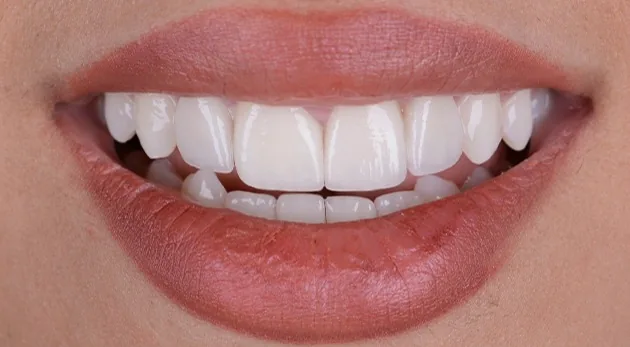
Veneers Istanbul — Porcelain and Laminate Veneers at CityDent
Patients searching for veneers Istanbul typically want two things: a natural-looking result and a clinic they can trust to deliver it. At CityDent, every case begins with a clinical assessment — not a fixed smile template, and not a price list.
Are Veneers the Right Option for You?
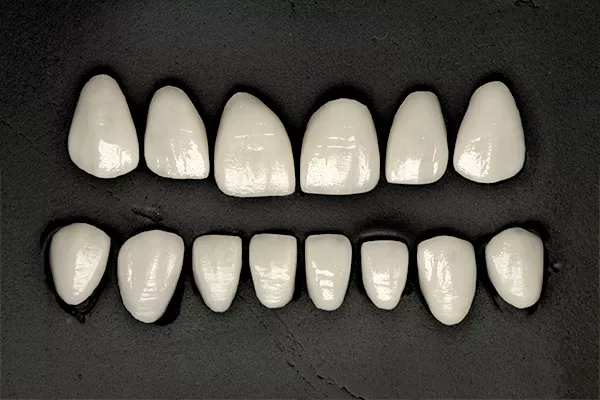
Veneers Istanbul are thin ceramic or composite shells bonded permanently to the front surface of a tooth. Before any treatment is planned at CityDent, a full clinical assessment determines whether veneers are appropriate — and if so, which preparation approach suits your anatomy.
What Dental Veneers Istanbul Can Correct
- Permanent discolouration Staining that does not respond to whitening — including tetracycline staining, fluorosis markings, or internal discolouration from old restorations — can be reliably masked with porcelain veneers Istanbul.
- Minor shape irregularities and worn edges Chipped corners, worn incisal edges, or teeth that appear disproportionately small relative to the gum line are routinely corrected through veneer coverage.
- Spacing and mild cosmetic misalignment Small gaps between anterior teeth and minor rotations can be addressed cosmetically with istanbul veneers — one of the most common reasons patients choose veneers istanbul for cosmetic correction, though your dentist will discuss orthodontic alternatives where they offer a better long-term result.
- Surface texture and optical dullness Teeth that appear flat, opaque, or lacking translucency can be transformed using layered ceramic techniques that replicate the light-transmission properties of natural enamel.
- Asymmetry and proportion Teeth that are too narrow, too short, or uneven relative to neighbouring teeth can be brought into proportion through careful veneer design — a process planned digitally before any preparation takes place.
When Veneers Are Not the Right Choice
Veneers Istanbul cases are not appropriate for every patient. Significant bite problems, deep misalignment, heavily decayed teeth, advanced gum disease, or insufficient remaining enamel all require a different approach first. At CityDent, if veneers are not the clinically sound option for your case, your dentist will explain why — and outline what alternatives, such as composite bonding Istanbul, orthodontic treatment, or crowns, would serve you better. CityDent's philosophy is that healthy, untreated natural teeth are always preferable to irreversible restorations without a clear clinical reason.
Porcelain vs. Composite Veneers — Which Suits You?
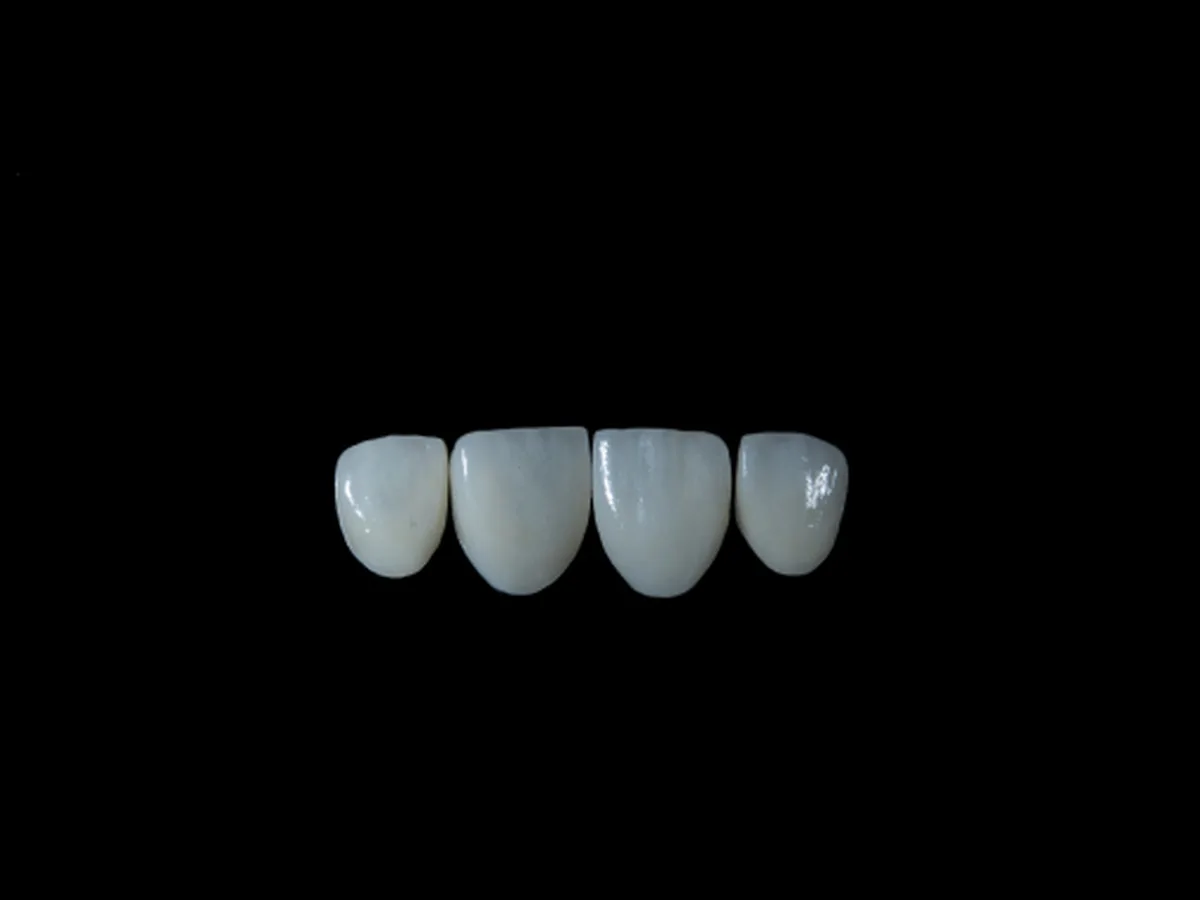
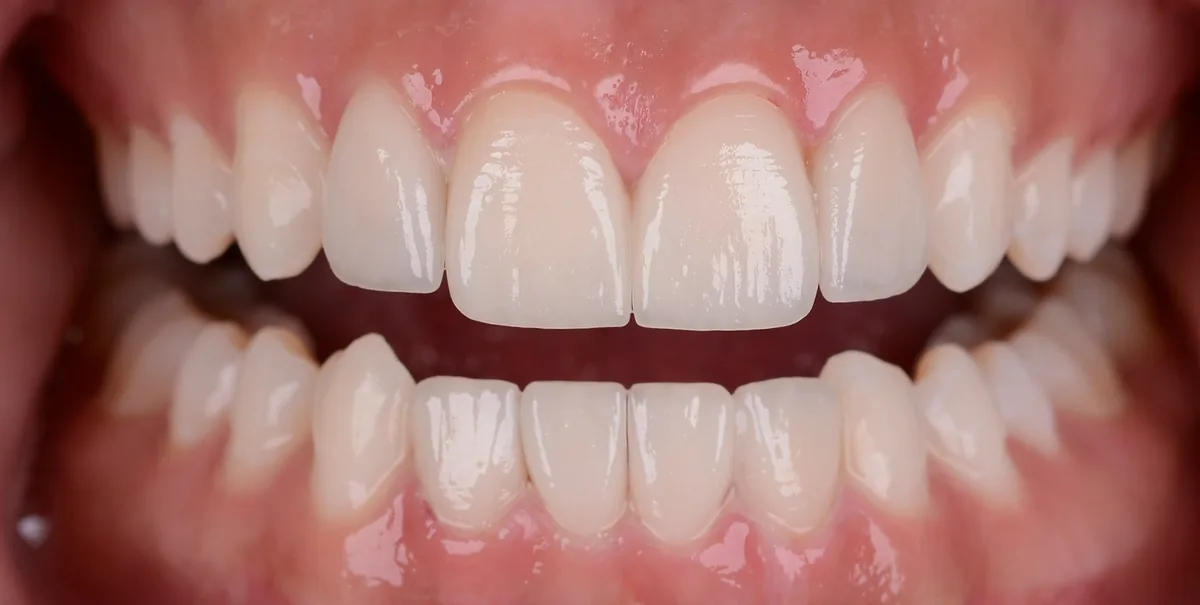
Two primary categories are available at CityDent for patients considering veneers Istanbul: porcelain (ceramic) veneers and composite resin veneers. The right choice depends on your clinical situation, aesthetic goals, the condition of your teeth, and how long you want the result to last.
| Feature | Porcelain Veneers Istanbul | Composite Veneers |
|---|---|---|
| Material | Feldspathic ceramic, emax, or zirconia-based | Nano-hybrid composite resin |
| Preparation | 0.3–0.7 mm enamel reduction | Often none or minimal |
| Longevity | Typically 12–15+ years | Typically 6–8 years |
| Aesthetics | Superior translucency, stain-resistant | Good for mild cases; more polish-sensitive |
| Sessions | Two visits (lab fabrication) | One or two visits (direct or indirect) |
| Repairability | Generally replaced if chipped | Can often be repaired chairside |
| Reversibility | Not reversible once prepared | Can be reversible if prep-free |
All ceramic materials used at CityDent are CE-certified and sourced from established manufacturers including Ivoclar Vivadent and 3M. Shade selection is performed using the Vita Classical Shade Guide alongside digital shade-matching tools. For a full side-by-side breakdown, see the bonding vs veneers comparison and the dedicated composite veneers Istanbul page.
Choosing the Right Veneer Shade and Shape
For veneers Istanbul, particularly istanbul laminate veneers, shade selection is not a single decision made from a colour chart. It involves your skin tone, the natural colour of your unrestored teeth, the brightness level you are aiming for, and how the result will appear across different lighting conditions.
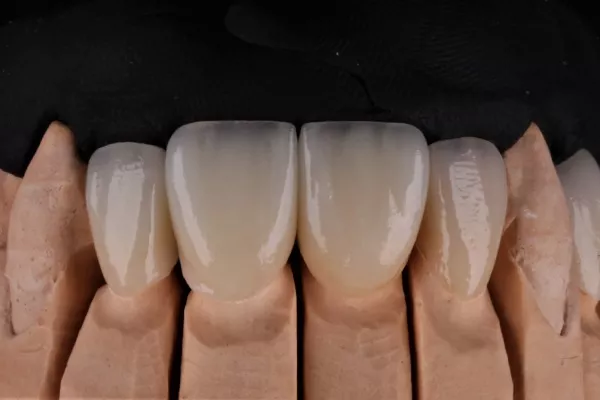
At CityDent, shade selection for veneers Istanbul is carried out under five different light sources to ensure the result looks natural in daylight, indoor lighting, and photography. The ceramist and dentist evaluate the shade together with the patient rather than making the decision in isolation.
Tooth shape for veneers in Istanbul is equally important. The width, length, and edge profile of each veneer is planned to be proportional to your facial structure — not selected from a template. For patients who have questions about which tooth form suits their face type, our guide on teeth models based on facial shape explains the principles used at CityDent.
A digital mock-up is produced before any preparation. You review the proposed result and make adjustments before anything irreversible begins. This step is standard at CityDent for all porcelain veneer cases — not an optional add-on.
If you want to understand what makes some veneers appear fake or too white, and how CityDent avoids those outcomes, the veneer colour guide covers this in detail, including shade categories, whitening compatibility, and the difference between translucent and opaque ceramic choices.
The Veneer Treatment Process at CityDent Istanbul
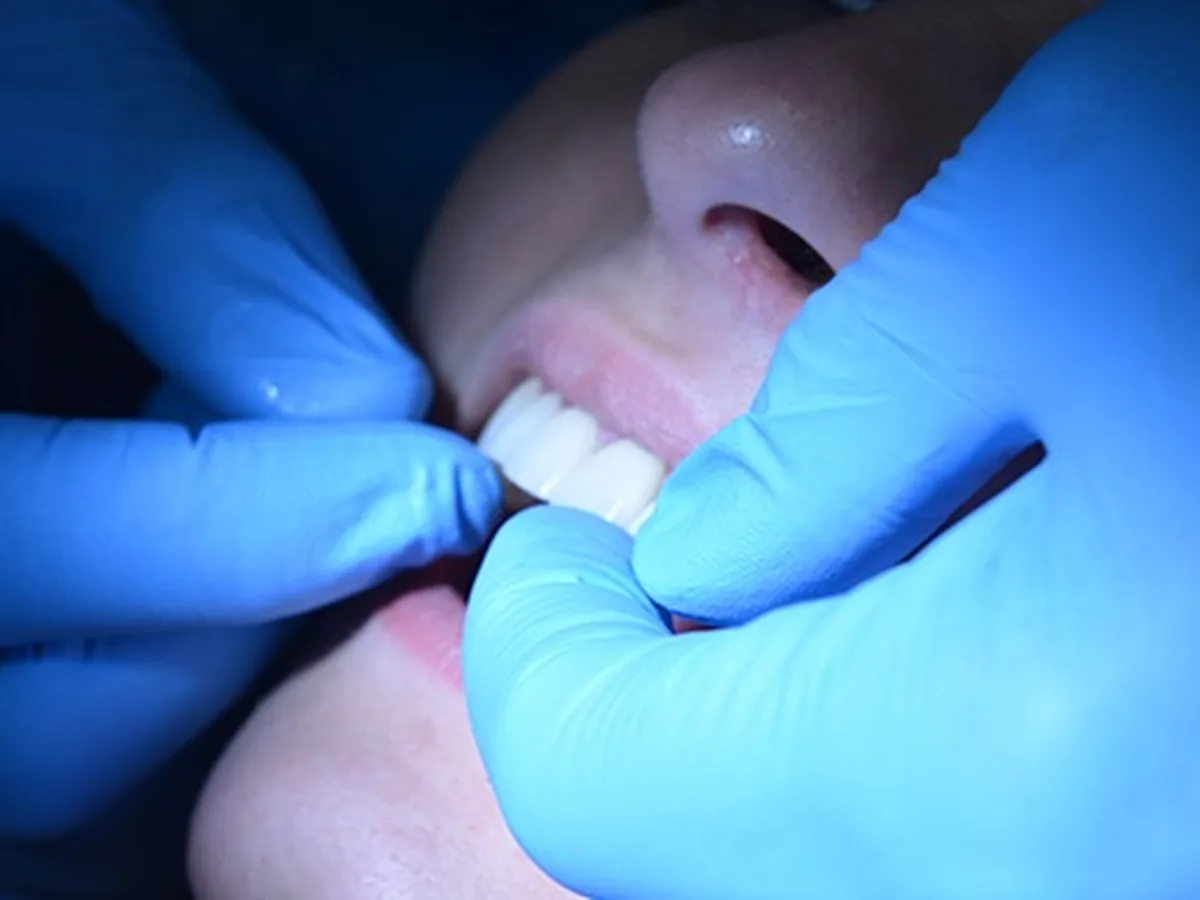
Veneers Turkey Istanbul and veneers Istanbul cases at CityDent follow a structured six-stage process. Whether you are visiting for your first veneers Istanbul consultation or proceeding directly to treatment, Understanding each stage helps patients — particularly those travelling from abroad — plan their visit accurately and know what to expect at each appointment.
Planning Your Veneers Istanbul Trip
The majority of CityDent's veneers Istanbul patients travel from the UK, Germany, France, Scandinavia, and the Gulf. Most questions from international patients fall into the same practical categories — timeline, number of visits, what happens if something goes wrong after you return home, and how to coordinate travel around treatment days.
How Many Visits and How Long?
A standard veneer case at CityDent for international patients is completed in two appointments within a single trip of five to seven days. The first appointment covers consultation, scanning, and smile design planning. The second — typically two to three days later — covers preparation, temporary veneers, and laboratory fabrication. For most cases, a third appointment (final bonding) is scheduled within the same trip, usually on day four or five. More complex cases involving more than eight veneers, or cases requiring pre-treatment work such as gum contouring, may require a slightly longer stay or a follow-up trip.
Practical Information for International Patients
CityDent is in Şişli, central Istanbul — approximately 35–45 minutes from Istanbul Airport and 25–30 minutes from Sabiha Gökçen Airport. Walking distance from Taksim Square and major hotel areas.
Patient coordinators at CityDent communicate in English, German, French, Arabic, Farsi, and Russian. All treatment explanations, consent forms, and aftercare documents are provided in the patient's language.
Non-resident international patients are eligible for tax-free invoices on dental treatment in Turkey. CityDent provides the required documentation for patients to process this through Turkish customs on departure.
After returning home, CityDent's patient coordinators remain available via WhatsApp and email for follow-up questions. If a clinical issue arises, a video consultation can be arranged to assess whether a return visit is necessary.
CityDent provides a five-year warranty on porcelain veneers covering manufacturing defects and debonding not caused by external trauma or patient-side factors. Documentation is provided in writing at the bonding appointment.
Patients can send photographs and a brief dental history before travelling. CityDent's prosthodontists will review and provide a preliminary treatment outline — including whether any pre-treatment is likely needed — before you book flights.
For full information on how to prepare for your veneers Istanbul visit, for your visit, what documentation to bring, and what to arrange with your home dentist before and after, see the international patients guide. CityDent's sterilisation and hygiene standards documentation and the dental follow-up and maintenance Istanbul protocol for ongoing post-treatment monitoring are also available to review in advance.
What If Something Goes Wrong After I Return Home?
Veneer issues that arise after returning home typically fall into three categories: sensitivity in the first two to four weeks after bonding (common and usually self-resolving), a veneer that debonds and needs to be recemented (can be performed by any competent local dentist using the same cementation protocol — CityDent provides written documentation), or a fractured veneer (generally requires replacement). In all cases, CityDent's team is reachable for remote assessment to determine the appropriate course of action before any local treatment is sought.
The veneer pain and sensitivity and veneer falling or breaking pages cover the most common post-treatment scenarios in detail.
Caring for Your Veneers After Treatment
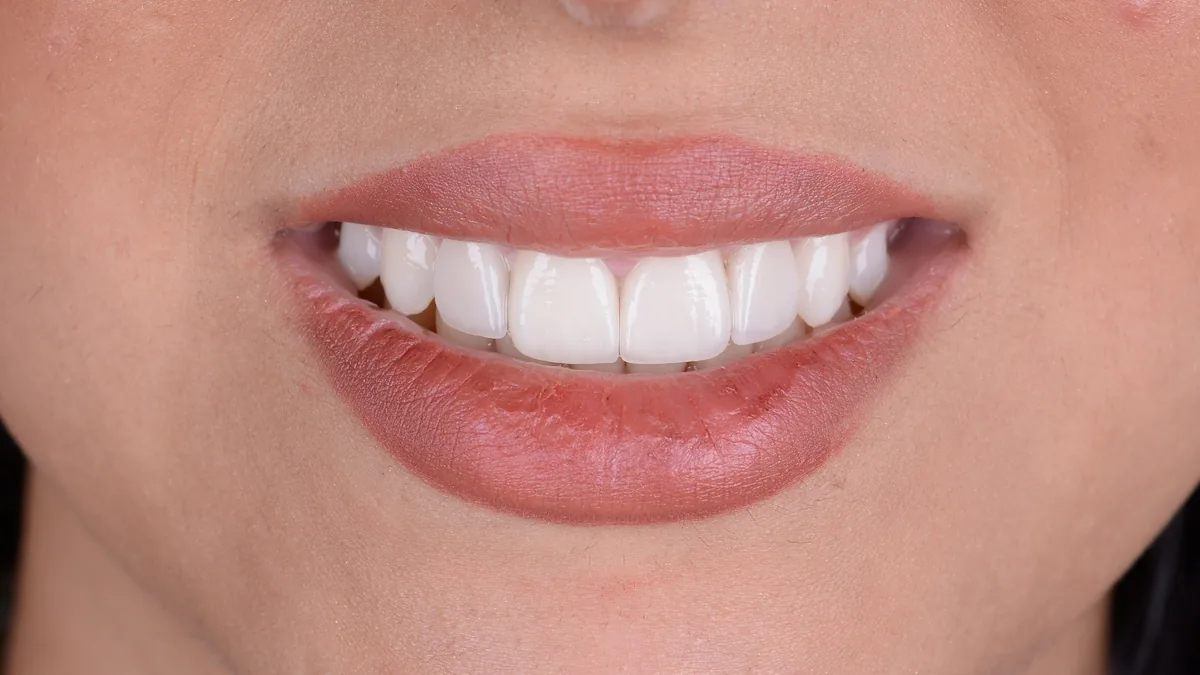
Veneers Istanbul do not require special maintenance products. Standard brushing twice daily — the same routine you would follow for natural teeth — is all that veneers istanbul require on a day-to-day basis. with a non-abrasive toothpaste, daily interdental cleaning, and six-monthly hygiene appointments are the baseline. The behaviours most likely to shorten veneer lifespan are biting directly on very hard objects — ice, hard-shelled nuts, bottle caps — and untreated bruxism (nocturnal grinding).
For patients who grind their teeth, a night guard is strongly recommended before veneer treatment begins at CityDent. The evidence is clear: patients with bruxism who use an occlusal splint consistently show significantly lower veneer fracture rates than those who do not. CityDent arranges the night guard before departure where possible.
Porcelain veneers are stain-resistant and do not require whitening treatment. Composite veneers are more susceptible to staining from coffee, red wine, and tobacco — periodic polishing by a hygienist helps maintain their appearance. If colour or surface changes occur over time, the veneer colour and aesthetic problems page covers what to do.
A full written aftercare guide — including specific instructions for the first 24 hours after bonding, what sensations are normal versus what should be assessed — is available on the veneer aftercare page.
For related treatments that complement veneer care — including professional cleaning protocols and maintenance scheduling for patients who return annually — see the dental follow-up and maintenance Istanbul page. For patients interested in combining veneers with a full smile transformation, the complete smile makeover Istanbul and smile design Istanbul pages describe broader aesthetic treatment planning.
Frequently Asked Questions
How many veneers do I need for a complete smile?
The number depends on your smile line — the teeth that are visible when you smile or speak. For most patients this is the upper six to ten teeth; four to six veneers is sometimes sufficient for patients with a narrower smile. Whether the lower anteriors should be included is assessed during the smile design stage, based on how much of the lower teeth is visible in your natural expressions. There is no fixed rule — the number is determined by your individual anatomy and goals.
Do veneers hurt during or after treatment?
Local anaesthesia is used during preparation, so there is no pain during the procedure itself. After the anaesthetic wears off, the prepared teeth — which are unprotected until the temporaries are placed — may feel mildly sensitive to temperature and pressure. This typically settles within a few days. After final bonding, a period of sensitivity lasting two to four weeks is common and expected as the tooth adapts to the new restoration. If sensitivity is severe or persists beyond four to six weeks, it should be assessed. See the veneer pain and sensitivity page for a full breakdown.
Should I choose veneers or zirconia crowns?
Veneers cover only the front surface of the tooth and require minimal preparation. Zirconia crowns cover the entire tooth and are used when there is significant structural damage, a large existing filling, or a need for full-coverage strength. For healthy anterior teeth with primarily aesthetic concerns, veneers Istanbul are generally the more conservative and appropriate choice. For back teeth, crowns are almost always preferable. Your dentist at CityDent will assess the condition of each tooth individually and recommend based on the clinical situation rather than a general rule.
Can veneers fix crooked or gapped teeth?
Mild gaps and minor rotations can be corrected cosmetically with veneers in Istanbul — veneers Istanbul is one of the most searched solutions for this concern by adjusting the shape and volume of individual teeth. However, veneers are not a substitute for orthodontic treatment in cases with significant misalignment. CityDent will assess whether the cosmetic correction you are seeking can be achieved within a realistic veneer design, or whether orthodontic alignment first would produce a better long-term outcome. In some cases a combination approach is the right answer.
Will my veneers look natural or too white?
The risk of veneers Istanbul looking obviously artificial comes from selecting a shade that is too opaque, too white, or inconsistent with your skin tone and remaining natural teeth. At CityDent, shade selection for veneers Istanbul is done collaboratively — the ceramist, dentist, and patient all review the digital mock-up and physical shade samples before preparation. Veneers that look fake are almost always the result of either a shade decision made without proper patient input, or ceramic work that lacks layering and internal translucency. The latter is why the in-house lab — where the ceramist can be called back for adjustments at the try-in — matters for aesthetic outcomes. More on this in the veneer colour guide.
Can I whiten my teeth before getting veneers?
Yes — and if you are considering teeth whitening, it is generally recommended to complete whitening before veneer treatment, not after. Once a veneer is bonded, the ceramic shade is fixed and cannot be adjusted by whitening products. If you whiten your natural teeth to a target shade first, the veneers can be made to match that shade, and the adjacent natural teeth will then already be at the correct level. Allow at least two weeks after whitening before veneer preparation to allow the shade to stabilise.
Is veneer treatment in Istanbul safe? What standards does CityDent follow?
CityDent operates under Turkish Ministry of Health licensing and uses CE-certified materials from international manufacturers. The sterilisation protocols, clinical documentation, and patient consent processes are described in full on the sterilisation and hygiene standards page. The materials used — emax, feldspathic porcelain, and composite systems from Ivoclar Vivadent and 3M — are the same brands used in clinics across Western Europe. The clinical difference between geographies is cost, not material or protocol standards.
What happens at the consultation before I commit to treatment?
The consultation at CityDent for veneers Istanbul is a clinical assessment, not a sales appointment. Your dentist examines your teeth, bite, gum condition, and existing restorations. If veneers are appropriate, you receive a written treatment plan with material options, the number of teeth, estimated timeline, and rationale. You are not asked to commit on the day. If you send photographs and dental records in advance, a preliminary plan can be prepared before you travel — this is how most international patients approach the process.
Longevity and What the Research Shows
Clinical evidence on the longevity of veneers Istanbul is well-established. Multiple systematic reviews covering thousands of veneers istanbul and istanbul laminate veneers cases provide consistent data on survival rates, complication types, and the factors that influence long-term outcomes.
A systematic review of 25 studies covering over 6,500 porcelain laminate veneers found a 10-year cumulative survival rate of approximately 95.5%, with fracture and debonding as the two most common complication types. A separate systematic review and meta-analysis of feldspathic veneer cases reported comparable survival at both five and ten years, provided appropriate case selection and bonding protocols were applied.
Longevity is meaningfully influenced by three patient-side factors: grinding habits, bonding substrate quality, and compliance with maintenance appointments. Cases bonded predominantly to enamel consistently outperform those where significant dentine exposure was present at preparation — a finding that reinforces the importance of conservative preparation and case-appropriate patient selection. For patients with bruxism, the clinical data specifically support the use of an occlusal splint as a protective measure — a recommendation that CityDent follows as standard for grinding patients.