Fixed Temporary Tooth: Your Guide to Temporary Prosthesis in Istanbul
After dental implant surgery, a fixed temporary prosthesis protects your smile and supports healing until your permanent crown is ready. At Citydent Istanbul, temporary teeth are placed routinely as part of our implant protocol — giving you comfort, function, and confidence from day one.
Temporary prostheses are used in both single-tooth implants and full-arch cases such as All-on-4. Placement timing depends on bone quality and individual healing capacity.
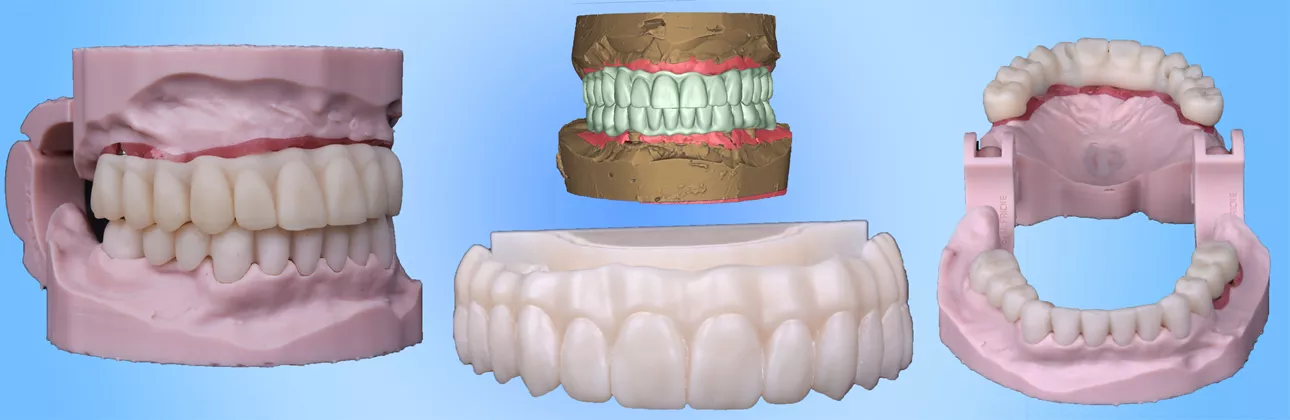
Why Temporary Prosthesis Is Used After Implant Surgery
A temporary prosthesis serves several essential functions during the months between implant placement and final restoration. Far from being merely cosmetic, it plays an active role in treatment success.
- Protects the implant site from bite pressure during osseointegration
- Maintains facial support — prevents sunken appearance in full-arch cases
- Preserves gum contour so your final crown fits naturally
- Allows normal speaking and everyday eating without social disruption
- In All-on-4 in Istanbul, fixed teeth are placed the same day as surgery, restoring full arch function immediately
- Supports a predictable, comfortable transition to your permanent zirconia crown in Istanbul
In some cases, a temporary prosthesis may be delayed if bone grafting was performed, primary implant stability is insufficient, or systemic health factors require a longer healing window. Your treatment plan at Citydent will specify the correct timing for your case.
How a Fixed Temporary Prosthesis Is Made
Production of a temporary prosthesis follows a structured clinical process. Modern clinics in Istanbul use both digital and conventional methods to ensure accurate fit and comfort from the first day.
-
Impressions TakenImmediately after implant placement — using silicone or intraoral 3D scanner
-
Abutments DesignedMatched to the implant position and bone anatomy for precise fit
-
CAD/CAM DesignProduced from scan data; shape, bite, and shade planned digitally
-
Prosthesis FabricatedIn PMMA (polymethyl methacrylate) or high-quality 3D-printed biocompatible resin
-
Fitting and AdjustmentBite balance verified and refined at chairside before placement
-
Replaced at Healing CompletionOnce osseointegration is confirmed (3–6 months), temporary teeth are removed and your final crown placed
At Citydent Istanbul, PMMA is used for its polishable and stable surface; 3D-printed resin is selected for improved aesthetics in visible front positions.

Temporary Prosthesis vs Permanent Implant Crown
A fixed temporary tooth is not designed to last indefinitely. It bridges the healing phase until your permanent restoration is ready.
| Feature | Temporary Teeth | Permanent Crown |
|---|---|---|
| Material | PMMA or composite resin | Zirconia or porcelain |
| Duration | 3–6 months | 10+ years |
| Purpose | Healing support and function | Long-term aesthetics and strength |
| Strength | Moderate | High |
| Aesthetics | Good | Excellent |
Permanent crowns are most commonly made of monolithic zirconia — a material with clinically documented 5-year survival rates above 96%. The healing phase with temporary teeth is the essential foundation that makes the final result possible. Learn about your final zirconia crown in Istanbul.
Eating, Hygiene and Risks with Temporary Prosthesis Teeth
Protecting your restoration during healing is essential to successful implant integration. The material handles everyday function well — but it requires consistent care.
- Soft foods in the first weeks: mashed vegetables, yogurt, soft fish, eggs, soups
- Avoid hard or crunchy foods — these can crack the PMMA material
- Avoid sticky foods (caramel, chewing gum) that apply lateral force to the implant
- Cut food into small pieces; chew gently and preferably on the non-implant side
- Avoid temperature extremes in the first two weeks
- Brush twice daily with a soft toothbrush
- Use non-alcoholic mouthwash only
- Interdental brushes or a water flosser are ideal where access is limited
- Do not press hard against gum tissue around the implant site
- Cracking or chipping if hard foods are eaten
- Gum irritation if oral hygiene is poor
- Loosening — if you feel movement, contact your dentist promptly; never attempt self-adjustment
- Bite imbalance — corrected at follow-up appointments. See also our guide on recovery with temporary prosthesis
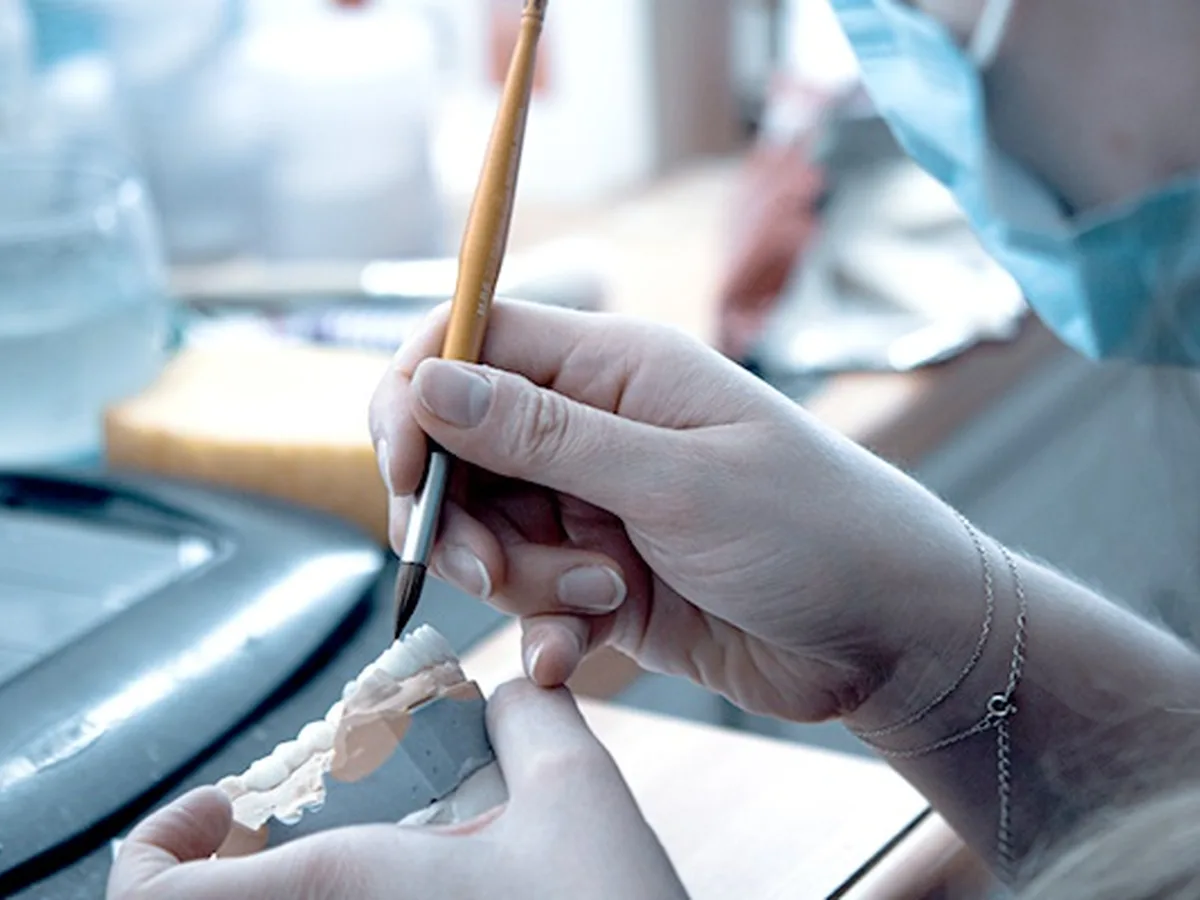
Warning Signs After Temporary Prosthesis Placement
Mild discomfort is normal in the first few days after surgery. The signs below require prompt attention from your dentist.
If you have any concerns about pain management following your procedure, your treating dentist at Citydent Istanbul is the right person to advise you — including any questions about suitable pain relief.
- Pain that increases rather than decreases after the first 3–4 days
- Swelling that worsens or is accompanied by discharge
- Movement or loosening of your fixed teeth while eating or speaking
- Persistent bleeding beyond 48 hours after the procedure
- Fever, chills, or general flu-like symptoms in the post-operative period
- An unusual bad taste or odour from the implant site
At Citydent Istanbul, post-operative support is always available. Early contact prevents minor issues from affecting implant integration. See also our guide on temporary fixed prostheses for further detail.