Dental Bonding vs Veneers: Which Is Right for You?
Patients weighing dental bonding vs veneers frequently reach the same decision point — both treatments correct cosmetic imperfections, yet they differ fundamentally in material, permanence, and what they ask of your natural teeth.
This guide covers materials, durability, tooth preparation, and treatment time — so you arrive at a consultation already informed.
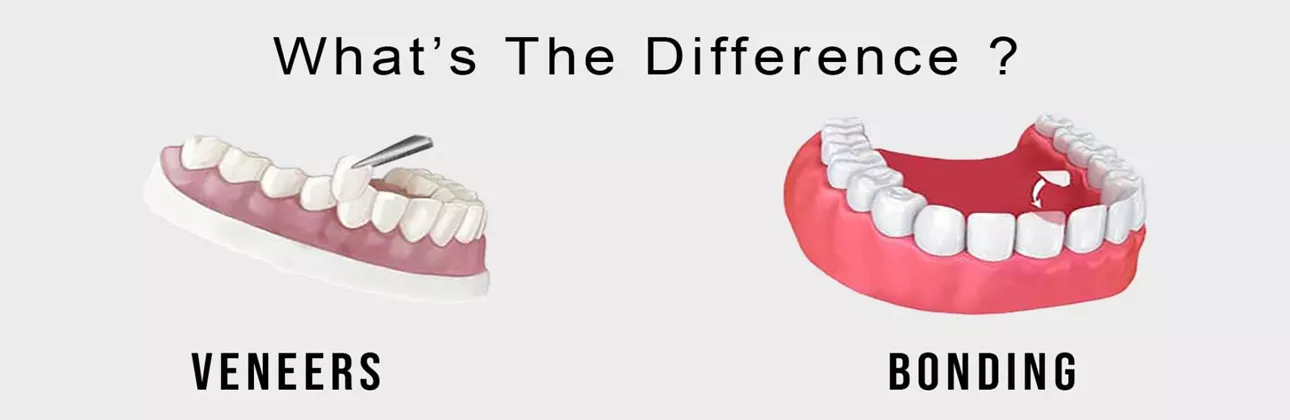
How to Choose Between Bonding and Veneers
The right choice in the bonding vs veneers decision depends on what you are starting from and what you expect to maintain. When patients ask which is better — bonding or veneers — the honest answer is always: it depends on your starting point.
A dental clinic in Istanbul Turkey assessment will confirm whether your enamel thickness, bite, and gum health support the option you are considering.
Your concerns are isolated — a chipped edge, a small gap, minor discolouration on one or two teeth — and you prefer a reversible, single-appointment solution that leaves your enamel intact.
You want a consistent, long-lasting transformation across several teeth, your discolouration is deep or resistant to whitening, or you are ready for a more permanent commitment in exchange for stronger aesthetics.
Materials: Composite Resin vs Porcelain
When comparing composite bonding or veneers, the key material difference is this: porcelain veneers are thin ceramic shells fabricated off-site and bonded to the front face of the tooth. Their translucency closely replicates natural enamel, and the ceramic surface resists staining far better than any chairside composite. For a detailed breakdown of veneer types, see our veneers in Istanbul treatment page.
Composite bonding uses a tooth-coloured resin applied directly to the tooth surface and shaped by hand at the chairside. No laboratory is involved; the result depends on the clinician's skill and the resin's properties.
Composite veneers Istanbul occupy a middle position: veneer geometry, bonding material. They offer a lab-shaped result without full porcelain investment. Composite bonding Istanbul is the affordable, reversible option — full procedure details on our bonding page.
Durability, Lifespan, and Tooth Preparation
Porcelain veneers typically last ten to fifteen years, sometimes longer with consistent care and a stable bite. Ceramic is hard, stain-resistant, and does not absorb pigment from food or drink.
Composite bonding generally lasts three to seven years. The resin is softer, which means it polishes and chips more readily than ceramic. Patients who grind at night, bite nails, or frequently consume highly pigmented foods should factor this into their bonding vs veneers decision. A night guard can extend bonding lifespan significantly.
Tooth preparation is the detail that most patients underweigh when comparing bonding vs veneers. Composite bonding requires no enamel removal in most cases — the resin adheres to the existing tooth surface; your natural tooth is preserved in full.
Porcelain veneers typically require removing a thin layer of enamel — usually between 0.3 mm and 0.7 mm — to create space for the ceramic shell. Once enamel is removed, it does not regenerate. This makes porcelain veneers an irreversible decision. For patients who are uncertain, beginning with bonding preserves the option of veneers later. The reverse is not true.
Typically 3–7 years. Repairable chairside at low cost. Suitable as a first step or for isolated corrections.
Typically 10–15 years. Ceramic resists staining and wear. More complex to repair if damaged.
Bonding: none in most cases. Veneers: 0.3–0.7 mm removal — irreversible. Bonding preserves future options.
Treatment Time, Aesthetics, and Stain Resistance
Composite bonding is completed in a single visit. The clinician applies, shapes, and polishes the resin in one session — a significant practical advantage if your timeline is tight or you are travelling for treatment.
Porcelain veneers require at minimum two appointments: one for tooth preparation and impression-taking, and a second for final placement once the laboratory has fabricated the shells. Some practices offer same-session digital fabrication, though this is not standard across all clinics.
Porcelain veneers deliver a consistently high-end aesthetic result. The ceramic surface mimics natural enamel translucency, and because it is non-porous, it resists coffee, tea, red wine, and tobacco staining effectively. The shade chosen at the outset typically holds for the life of the veneer.
Composite bonding produces attractive results, particularly for limited corrections. However, the resin can absorb pigment gradually and may require periodic polishing to maintain brightness. Whitening agents do not lighten bonding material, so if you plan to whiten your teeth, do so before bonding treatment begins. A digital smile design Istanbul consultation is useful for either option, as it allows you to visualise the shade and shape outcome before any irreversible steps are taken.
Maintenance Over Time
Bonding maintenance is straightforward: standard oral hygiene, regular check-ups, and awareness of habits that stress the material. Periodic polishing at your dental hygiene appointment keeps the surface smooth and minimises discolouration. Minor chips can be repaired in a short visit. For a complete overview of daily care, see our bonding care guide Istanbul.
Veneer maintenance is similarly routine. Hard or sharp loads — biting fingernails, opening packaging with teeth, contact sports without a guard — risk fracturing the ceramic. A night guard is advisable for patients with any degree of bruxism. Veneers do not require special cleaning products; standard brushing and flossing are sufficient.
When considering bonding vs veneers cost and commitment, composite bonding is the more accessible entry point. Porcelain veneers represent a larger investment but deliver a longer-lasting transformation. For a personalised recommendation, get a treatment recommendation Istanbul from our team.