Implant Aftercare
Implant Crown Problems: Causes, Solutions & When to Act
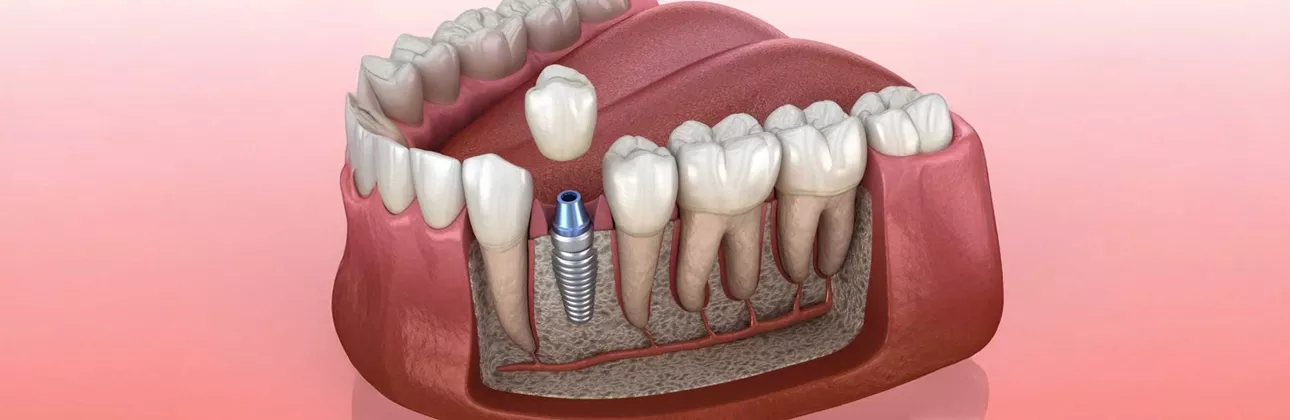
Implant crown problems are among the most common concerns patients raise after completing implant treatment. The crown — the visible, tooth-shaped cap placed over the implant fixture — is a precision component, and even small disruptions to its fit, retention, or surrounding tissue can affect both comfort and function. Understanding common implant crown problems early gives you the best chance of a quick, uncomplicated resolution.
This guide explains the most frequent implant crown problems and solutions: what causes them, how they are managed, and when to seek professional help. If you are experiencing implant crown problems in Istanbul and need a clinical assessment, the sections below will help you understand your situation before your appointment.
Why Does an Implant Crown Become Loose?
A loose implant crown is one of the most frequently encountered crown on implant issues. The underlying cause depends on the retention method.
Loose Screw-Retained Implant Crown
A screw-retained crown is held to the abutment by an internal retaining screw. If the crown clicks, rocks, or shifts during chewing — or if a small access hole is visible on the biting surface — the screw has likely loosened. This is a resolvable implant crown problem: a dentist removes the crown, cleans the components, and retightens the screw to the correct torque specification.
Bite pressure, bruxism (teeth grinding), and incorrect initial torque are the most common causes of implant crown loose situations. Even minor bite misalignment can accumulate enough cyclic stress to work a screw loose over months. Do not ignore it — micro-movements can irritate the peri-implant tissue and, over time, contribute to marginal bone loss.
For more on the implant system and prosthetic components, see our guide on screw-retained implant prostheses.
Loose Cement-Retained Implant Crown
Cement-retained crowns are bonded to the abutment without a screw access hole. When this type shifts, the cement seal has usually broken down due to bite force, aging of the material, or insufficient cementation at original placement.
Implant crown repair in Istanbul for cement-retained cases typically involves removing the crown, thoroughly cleaning the abutment, and re-cementing. If the crown or abutment has been damaged, replacement may be needed. Subgingival cement remnants are a recognised risk factor for peri-implant inflammation — a relationship formally documented by the 2018 AAP/EFP World Workshop classification of peri-implant diseases (PERIO-CLASSIFICATION-001).
When to act: A loose crown should be assessed as soon as possible. Delaying by more than a few days risks screw fracture, component wear, or bacterial entry beneath the crown.
My Implant Crown Fell Off — What Should I Do?
When a crown fell off implant, the instinct is alarm — but this is rarely a life-threatening emergency. The most common causes are failed cement or a fully released retaining screw, both of which are clinically manageable.
Store the crown in a clean container and contact your dentist within a few days. Do not press it back in place yourself: you risk trapping bacteria beneath it, damaging the screw channel, or seating it incorrectly. If the abutment is undamaged, reattachment is straightforward. Delay allows opposing teeth to shift and the exposed abutment surface to become contaminated.
For a full overview of the implant system, see our page on implant treatment at CityDent Istanbul.
Can a Broken Implant Crown Be Repaired?
Implant crowns can fracture under heavy bite force, trauma, or repeated grinding, despite being made from durable materials. A 2018 clinical comparison of zirconia-ceramic and metal-ceramic implant-supported single crowns (ZIR-CROWN-002) found acceptable long-term survival rates for both, but mechanical complications — particularly ceramic chipping — remain a relevant concern in long-term follow-up.
Small chips can often be smoothed or repaired with composite resin. Larger fractures that compromise the crown's fit or structural integrity require full replacement. An unresolved crack disrupts occlusal balance, irritates the soft tissue margin, and may eventually damage the underlying abutment. Patients who grind their teeth are strongly advised to use a custom occlusal splint to protect all restorations.
Pain Around an Implant Crown: What Could It Mean?
Discomfort around an implant crown beyond the first few post-placement days is not expected. Common causes include:
- Bite imbalance — the crown sits fractionally too high, creating uneven pressure on the implant during chewing
- Subgingival cement remnants triggering localised inflammation beneath the gum line
- Loose or fractured crown components causing micro-movement and soft tissue irritation
- Peri-implantitis — bacterial infection of the tissue and bone surrounding the implant
Peri-implantitis is a serious complication that requires professional treatment. The EFP S3 Level Clinical Practice Guideline (PERIO-GUIDE-003, 2023) identifies early diagnosis as critical: early-stage disease responds substantially better to management than advanced-stage peri-implantitis (PERIIMPL-TREAT-001, 2023).
If pain is accompanied by swelling, bleeding on probing, or mobility, seek clinical care promptly. For complications extending beyond the crown, see our detailed guide on problems after implant placement, or our page on gum recession around implants.
How to Care for Your Implant Crown at Home
Consistent daily care is the most effective strategy for preventing implant crown problems from developing or worsening.
- Brush twice daily with a soft-bristle brush and low-abrasion toothpaste, paying attention to the gum margin where the crown meets the tissue
- Use interdental brushes, floss, or super floss to clear plaque from areas the toothbrush cannot reach
- A water flosser is a practical and evidence-supported adjunct — a 2025 systematic review (IMP-SELFCARE-001) supports its effectiveness at reducing peri-implant plaque accumulation
- Avoid chewing ice, very hard sweets, or whole nuts, which subject the crown to excessive force
- Attend professional recall visits at least twice a year for probing, radiographic review, and professional cleaning of peri-implant surfaces
Many dental crown implant problems Turkey patients present to our clinic could have been avoided with a consistent recall programme. Regular monitoring catches implant crown problems early, before they escalate into more complex situations.
Experiencing a problem with your implant crown? Book a clinical assessment.
Get in touch