Titanium Bar Implant Denture Istanbul
A titanium bar implant denture offers full-arch tooth replacement anchored to a precision-milled titanium framework. At CityDent Istanbul, bar retained denture treatment is planned and fabricated in-house, with prosthetic and surgical stages coordinated from the outset.
What Is a Titanium Bar Implant Denture?
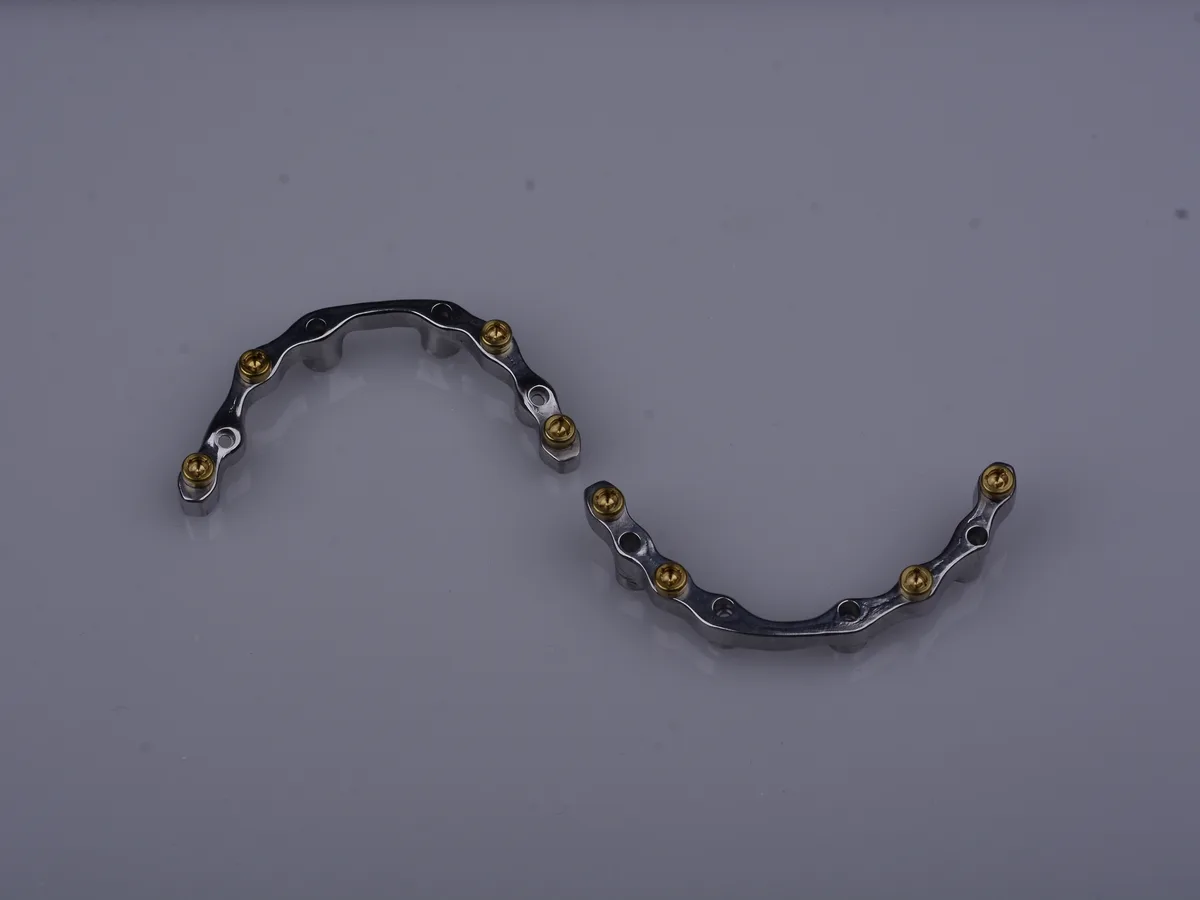
A titanium bar implant denture in Istanbul offers full-arch tooth replacement anchored to a custom-milled titanium framework fixed to two or more implants. The bar distributes load evenly across the implants, while the removable overdenture snaps on and off for cleaning — combining the retention of implant support with the practical benefits of a removable design.
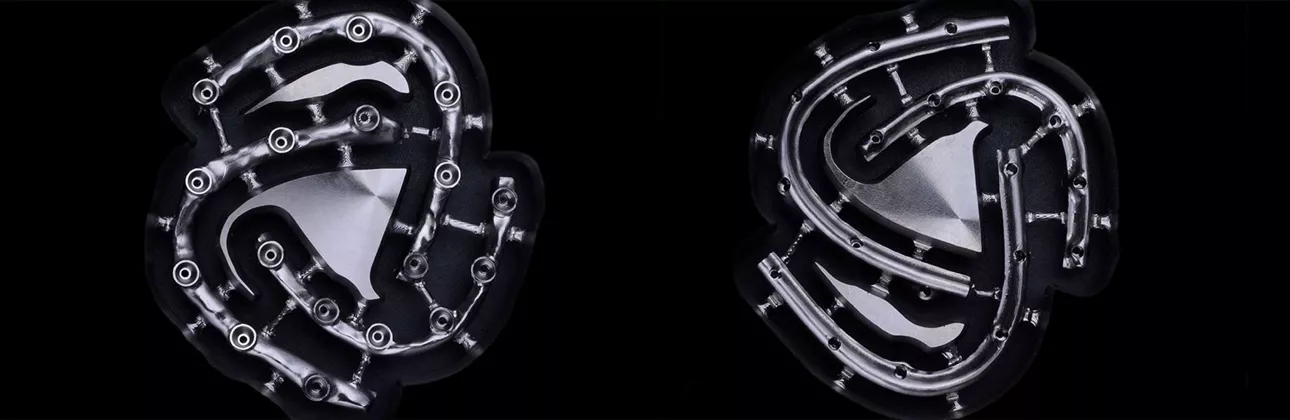
The bar is milled from medical-grade titanium — chosen for its biocompatibility, corrosion resistance, and long-term stability within the jaw. Once osseointegration is complete, the bar is attached to the implant abutments and the overdenture fitted to clip over it. The titanium bar supported prosthesis is secured via screw-retained abutments and does not move once seated.
This solution is commonly considered for patients seeking an implant bar overdenture as an alternative to a conventional removable denture. Unlike a standard denture that rests on the gum, the prosthesis is anchored to the bar and does not shift during speaking or eating.
How the Bar Retained Denture Works
The bar retained denture system involves several coordinated stages. Following a thorough implant assessment — including 3D CBCT imaging and prosthetic planning — implants are placed and allowed to integrate with the jawbone. Once osseointegration is confirmed, digital scans are taken to design the titanium bar.
The bar is precision-milled to fit the exact implant positions and attached using screw-retained abutments. The overdenture is then fabricated to clip over the bar using retentive clips or housings. The result is a prosthesis that:
- Stays firmly in place during daily function
- Can be removed by the patient for hygiene at home
- Distributes biting force through the implants rather than the gum tissue
- Allows the bar and attachments to be adjusted or re-serviced over time
At CityDent Istanbul, prosthetic design is coordinated alongside surgical planning so that implant positions support the final bar design from the beginning. The titanium bar is fabricated in our in-house dental laboratory using CAD/CAM milling, which allows precise fit and consistent results.
Who Is a Good Candidate for a Bar Attachment Implant?
A bar attachment implant overdenture may be appropriate in a range of clinical situations. Suitability is assessed on an individual basis, but common indications include:
-
Complete tooth lossIn one or both arches with adequate remaining bone volume
-
Patients transitioningFrom a conventional full denture who experience instability or poor retention
-
Limited bone volumeSufficient for two to four implants but not for a fixed full-arch prosthesis
-
Preference for removable designFor ease of daily cleaning and long-term maintenance
-
Clinical or anatomical factorsThat make a fully fixed prosthesis less appropriate in the treating dentist's assessment
Certain conditions may affect implant candidacy, including uncontrolled systemic disease, active periodontal infection, or insufficient bone density. A full clinical and radiological assessment at CityDent Istanbul is the starting point for any dental implants in Istanbul planning process.
For patients with advanced bone resorption, pre-implant bone grafting may be discussed as part of the treatment plan. Where indicated, it is factored into the overall treatment timeline from the outset. You may also wish to review our page on implant supported dentures for further context.
Titanium Bar vs Other Implant Overdenture Solutions
There are several attachment systems used in implant supported dentures. The titanium bar implant denture Istanbul option is one choice; others include ball attachments, locator attachments, and magnet systems. The appropriate system depends on implant number and positioning, available bone, jaw anatomy, and the patient's functional requirements.
| Feature | Bar Retained Denture | Ball / Locator Attachment |
|---|---|---|
| Load distribution | Even — across full bar span | Point-load at each implant |
| Minimum implants | Typically 2–4 | Typically 2 |
| Retention stability | High — bar provides cross-arch support | Good — individual attachment per implant |
| Lab fabrication | Custom-milled bar (CAD/CAM) | Standard components |
| Maintenance | Bar periodic servicing; clip replacement | Attachment replacement over time |
| Removability | Removable by patient | Removable by patient |
The implant bar overdenture is generally considered where cross-arch stability and even load distribution are priorities — particularly in cases where implant positions benefit from being splinted together. Your treating dentist at CityDent Istanbul will assess which attachment system best suits your clinical situation. For comparison with fixed options, see our pages on screw-retained implant prosthesis and All-on-4 dental implants.
Frequently Asked Questions
How many implants are needed for a titanium bar implant denture in Istanbul?
Most bar retained denture designs are supported by two to four implants, depending on jaw anatomy, bone volume, and the span of the arch. The precise number is determined during the planning phase following CBCT assessment. Your treating dentist will advise on what is appropriate for your specific case.
Is the titanium bar implant denture procedure carried out in one visit?
No — the treatment typically involves multiple visits. Implant placement is followed by a healing and osseointegration period before the bar and overdenture are fabricated and fitted. For international patients, the CityDent team coordinates treatment scheduling to minimise the number of trips required while maintaining clinical standards.
Can I eat normally with a bar attachment implant overdenture?
Yes. Because the prosthesis is anchored to implants via the titanium bar, it does not shift during eating or speaking the way a conventional denture can. Patients are typically advised on dietary progression during the healing phase, as guided by their treating dentist.
How is a titanium bar implant denture different from a fixed All-on-4 prosthesis?
A titanium bar implant denture Istanbul differs from a fixed All-on-4 in that the overdenture is removable — the patient can take it out for cleaning. An All-on-4 prosthesis is fixed and can only be removed by a clinician. Both are implant supported, but they differ in design, maintenance, and the surgical approach. Read more about our All-on-4 dental implants and full mouth dental implants to compare options.
How do I clean a bar retained denture?
The overdenture is removed for daily cleaning. The bar and implant abutments are cleaned around using interdental brushes or other tools as advised by your dentist. Regular professional maintenance appointments are recommended to check the bar, clips, and implant health.
Is the titanium bar fabricated at CityDent's laboratory?
Yes. The titanium bar is milled in CityDent's in-house CAD/CAM laboratory. This allows the surgical and prosthetic teams to work from shared digital records and make precise adjustments if needed at any stage of fabrication.
What happens if the retentive clips wear out over time?
Retentive clips or housings in the overdenture will wear over time and are designed to be replaceable. This is a routine maintenance procedure and does not require replacing the bar or the implants. Your treating dentist will assess clip condition at regular recall visits.