When Do Veneers Look Fake?
Veneers can transform a smile — or make it look obviously artificial. Understanding when veneers look fake is the first step toward choosing a result that genuinely suits you.
The Main Reasons Veneers Look Fake
The difference between a natural smile and a noticeably artificial one usually comes down to a small number of technical decisions made during the design and fabrication process. Understanding the specific triggers that cause veneers to look fake helps you ask the right questions before treatment begins.
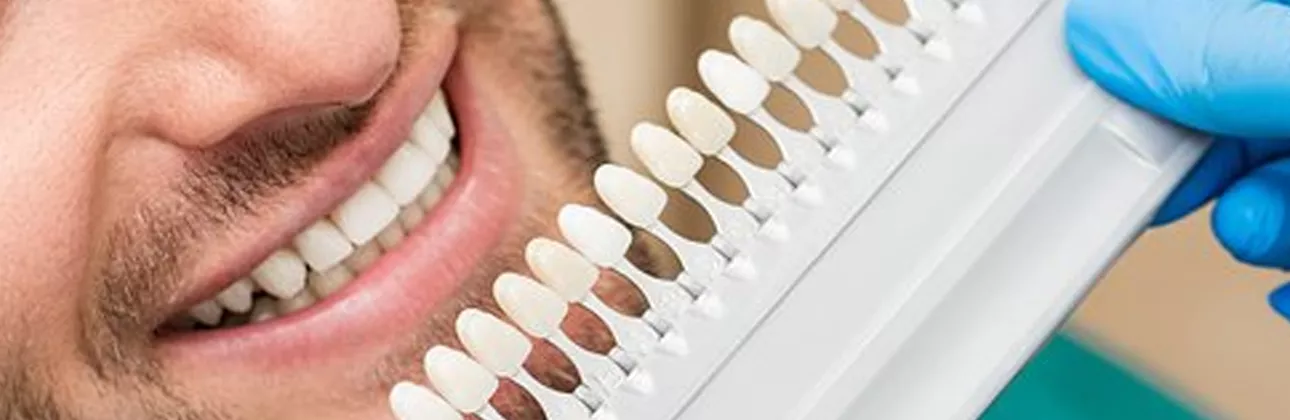
- Poor colour matchingVeneers that are too uniformly white or fail to harmonise with your gum tone and skin complexion produce the so-called "Hollywood" result. At Citydent Istanbul, shade selection is guided by digital colour analysis alongside your own input, taking into account facial complexion, tooth undertone, and gum colour.
- Incorrect size and shapeOversized, flat, or too-symmetrical veneers break the natural harmony of a smile. Our cosmetic dentists design each veneer individually, accounting for facial structure, bite alignment, lip mobility, and the geometry of your existing teeth.
- Unnatural translucencyNatural teeth allow a degree of light to pass through at the edges. Veneers that are too opaque appear flat and lifeless; veneers that are overly translucent fail to mask underlying discolouration. Multi-layered porcelain techniques replicate the complex light diffusion of real enamel.
- Poor placement and bondingEven well-designed veneers look fake if they are not seated correctly. Uneven bonding creates shadows at the gumline; misaligned placement alters light reflection. 3D scanning and digital mock-ups ensure exact precision at Citydent Istanbul.
- Absence of surface textureReal teeth carry microscopic grooves and subtle optical effects. Veneers that are too smooth or glossy appear artificial under natural light. Our ceramic technicians apply micro-texturing and customised layering to recreate the way real enamel reflects light.
- Veneer stain layeringSpecial ceramic stains are brushed on by hand and baked into the porcelain to introduce the natural variation in colour, translucency, and shading that prevents all teeth from looking identical.
With the right combination of these factors, natural-looking dental veneers in Istanbul are virtually indistinguishable from healthy natural teeth.
How to Avoid Fake-Looking Veneers
If you are planning veneers and want to avoid a result where the veneers look fake, these five factors are worth understanding before you commit to a clinic or a shade.
-
Choose a natural shade, not just the whitest option. Overly white veneers lack the depth and variation of natural teeth. A shade that harmonises with your complexion, eyes, and lips also ages better under different lighting conditions. You can find guidance in our article on how to tell if someone has veneers and on choosing the right veneer colour.
-
Insist on customisation for your facial anatomy. Cookie-cutter veneers are a reliable route to a fake-looking result because they ignore facial symmetry, smile line, and how the teeth move with your expressions.
-
Ask about surface texture and optical effects. Smooth, plasticky veneers are a visible sign of insufficient finishing. Fine surface effects give each tooth its natural depth and prevent the overly glossy look that reads as artificial.
-
Confirm the lab collaboration. When the dentist and ceramic technician work closely together, the outcome is typically more precise. Ask whether your clinic has in-house or dedicated high-quality lab support capable of custom stain layering.
-
Allow adequate time for planning. Natural aesthetics require careful assessment of shape, shade, gumline harmony, and bite function. Clinics that promise instant, uniform results are unlikely to deliver realistic dental veneers through a considered smile design in Istanbul.
When these factors are addressed together, the risk that veneers look fake is substantially reduced — because the process itself protects against an artificial outcome. Veneer appearance tips matter less when the workflow is sound.
Composite vs Ceramic Veneers: Which Looks More Natural?
The choice of material has a direct influence on whether veneers look fake or natural. Both options have distinct aesthetic properties worth understanding.
- Composite veneersApplied directly to the teeth and sculpted by hand, composite veneers are more affordable and require fewer appointments. They can, however, look less natural if the finishing lacks sufficient texture. They are also more prone to staining over time, which can gradually contribute to an artificial appearance. Avoiding fake-looking veneers with composite material requires a high level of artistry from the dentist. Read more in our guide to composite veneers.
- Ceramic (porcelain) veneersCustom-fabricated in a laboratory, ceramic veneers more closely mimic the natural translucency, texture, and light reflection of real enamel — particularly when multi-layered and finished with surface effects. Porcelain is stain-resistant and maintains its natural appearance over many years.
For patients for whom avoiding fake-looking veneers is the priority, ceramic veneers offer a clear aesthetic advantage. If budget is a primary consideration and only minor corrections are needed, composite veneers can still achieve good results in skilled hands. Compare both options in our full guide to dental bonding vs veneers.
Pressed vs Milled Ceramic: Does the Technique Affect How Natural Veneers Look?
Among ceramic veneers, the manufacturing method also plays a role in the final aesthetic.
- Pressed ceramic veneersMade by heating and shaping a ceramic ingot into a mould, pressed ceramics allow for excellent translucency and manual layering potential. When produced by skilled technicians, these veneers achieve highly realistic colour variation and depth that blend seamlessly with natural teeth.
- Milled ceramic veneers (CAD/CAM)Designed digitally and cut from a solid ceramic block with a milling machine, milled ceramics offer high precision and faster turnaround. Without custom staining and surface texturing, however, they can appear more uniform or "too perfect" — which, paradoxically, contributes to a fake appearance.
Both techniques can produce excellent results. For patients especially concerned about realistic dental veneers, pressed ceramics or milled veneers enhanced with stain and texture layering are the preferred route. The result is a veneer that does not look fake but instead reads as a better version of your own tooth. Always ask your clinic about the specific material and fabrication process used.
Frequently Asked Questions About Veneers That Look Fake
Do all veneers look fake?
No. When properly planned and crafted with attention to colour, translucency, texture, and placement, veneers can be virtually indistinguishable from natural teeth. The quality of the cosmetic team and the laboratory is the decisive factor.
Why do some people's veneers look too white?
Veneers that are too white typically lack the natural variation found in healthy teeth. A bright, uniform shade appears artificial — especially under natural light — because it fails to match the undertones of the surrounding teeth and the patient's skin tone.
Can composite veneers look fake?
Yes, if they are not sculpted and finished with sufficient care. Composite veneers can appear flat or overly shiny, and are more prone to staining over time. With good technique and thorough polishing, however, they can still achieve aesthetic results. The outcome depends heavily on the dentist's skill.
Do porcelain veneers always look more natural than other options?
Porcelain veneers generally offer a more lifelike finish because of their ability to replicate the light-reflective properties of natural enamel. They are also stain-resistant. However, even porcelain veneers can look fake if poorly designed or placed — careful planning and customisation are what make the real difference.